



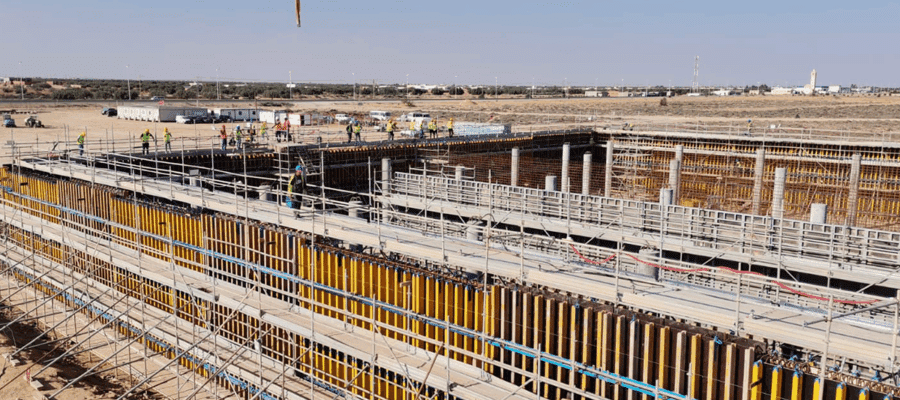
Are you preparing a construction project?
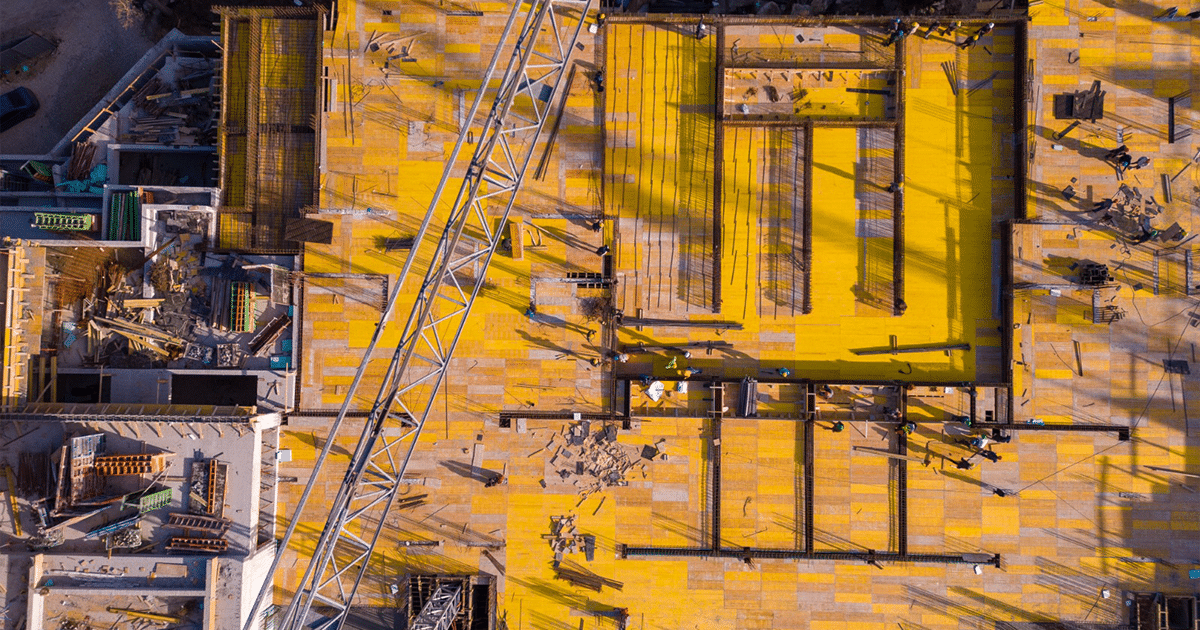
On a construction site, safety goes beyond simply wearing protective equipment. It begins long before the teams start work—starting with project planning, equipment selection, and the organization of the various work phases.
This proactive approach is particularly important for formwork and shoring operations. Temporary structures must accommodate the various stages of the project while remaining suited to the loads, heights, support conditions, and construction methods involved.
For construction professionals, an effective safety strategy therefore involves anticipating, controlling, and organizing every step, rather than simply reacting when a problem arises.
Every construction site has a unique layout. Working height, structure dimensions, access, the nature of the substrate, handling methods, and even the concrete pouring schedule—these parameters directly influence the organization of formwork and shoring.
Analyzing these constraints before work begins makes it possible to plan a coherent setup and avoid improvised adjustments on site.
This preparation should specifically identify:
* assembly areas;
* access to work stations;
* traffic zones;
* storage locations;
* handling equipment;
* the equipment required for the various phases of the project.
Planning the organization in advance makes the teams’ work easier and helps minimize hazardous situations.
Safety also begins with the choice of equipment.
A shoring system designed for a low-level slab will not necessarily meet the requirements of a taller structure or one subject to heavy loads.
The choice between individual props, shoring towers, or combined solutions must be made based on the project’s actual configuration.
For slab formwork operations, for example, combining shoring towers, forkheads, H20 beams, and panels creates a seamless link between the formwork and the support system.
The goal is not to use an excessive amount of equipment, but to select a configuration that aligns with the specific needs of the site.
An effective shoring system requires suitable base supports.
Before installation, the supporting surface must be inspected to verify its condition, level, and capacity to bear the anticipated loads.
Any variations in level or irregularities in the supporting surface must be taken into account during the preparation stage.
Base jacks allow for the necessary adjustments to level the system. However, they must be used in accordance with the equipment’s specifications and do not replace the need for a prior assessment of the supporting surface.
This attention to base supports helps maintain the system’s geometry during use.
The stability of a shoring structure does not depend solely on its vertical elements.
Bracing plays a vital role in the system’s overall rigidity. Frames and diagonal braces help maintain the structure and limit lateral movement.
When a tower is correctly configured, every component contributes to the overall function:
frames + diagonal braces + jacks + forkheads + formwork elements
This structural integrity must be maintained throughout the system’s period of use.
Therefore, any modification to the initial configuration must be assessed before implementation.
Formwork and shoring operations often require work to be performed several meters above the ground.
In this context, the organization of work areas is crucial.
Work platforms and guardrails create zones that are better suited for assembly, adjustment, and formwork tasks.
Access points must be planned during the system’s design phase to prevent improvised movement or the use of components not intended to serve as work platforms.
Consequently, fall protection must be integrated into the site setup from the very beginning.
On a structural construction site, formwork and shoring components are frequently moved, assembled, and dismantled.
Panels, beams, frames, diagonal braces, and accessories must be transported to the work area in a logical sequence.
Proper organization of handling operations helps reduce unnecessary movement and keeps traffic areas clear.
Preparing drop-off zones and using appropriate handling equipment also contribute to improving working conditions for the teams.
Inspections should not be carried out solely at the end of assembly.
Various checks can be integrated into the different stages of the project.
Before loading, it is particularly important to verify:
supports → levels → connections → bracing → forkheads → beams → panels → safety guards
This approach allows for the faster identification of any issues before the system is subjected to the load of fresh concrete.
Concrete pouring is a critical phase for the formwork system.
As the concrete is placed, the loads exerted on the formwork and shoring change.
Therefore, the concreting method and rate must be compatible with the planned configuration.
Close monitoring allows for the rapid detection of unusual system behavior, such as displacement, deformation, or misalignment.
In the event of an anomaly, operations must be halted and the situation assessed by a competent person.
A well-organized worksite involves more than just setting up the system;
dismantling must also be planned for in advance.
The sequence for removing components must take into account the condition of the structure and the planned removal conditions. Removing a component prematurely can alter load distribution and compromise the system’s stability.
Once dismantled, the equipment must be sorted and inspected before being stored or reused.
This step also makes it possible to quickly identify components that require inspection or need to be set aside.
Safety on a formwork and shoring site is the result of a series of sound decisions:
* Thoroughly preparing the site.
* Selecting appropriate equipment.
* Managing supports effectively.
* Ensuring stability.
* Securing access points.
* Checking assembly connections.
* Monitoring the application of loads.
* Organizing the dismantling process.
This approach integrates safety directly into site operations, without separating it from productivity and quality objectives.
To meet the needs of various project configurations, Alchary offers equipment designed for construction professionals:
shoring props, shoring towers, frames, diagonal braces, jacks, forkheads, decking, guardrails, H20 beams, and formwork panels and accessories.
The complementary nature of this equipment allows for the assembly of systems tailored to various construction, renovation, and structural work projects.
Construction site safety never depends on a single piece of equipment. It relies on the alignment of equipment, preparation, work methods, and team organization.
For formwork and shoring operations, anticipating project constraints allows for better control over the various construction phases and creates more structured working conditions.
With its formwork and shoring solutions, Alchary supports construction professionals in their projects by offering equipment tailored to site requirements.
Are you preparing a construction project?
Discover Alchary’s formwork and shoring solutions, designed to meet the demands of professional construction sites.

 WhatsApp