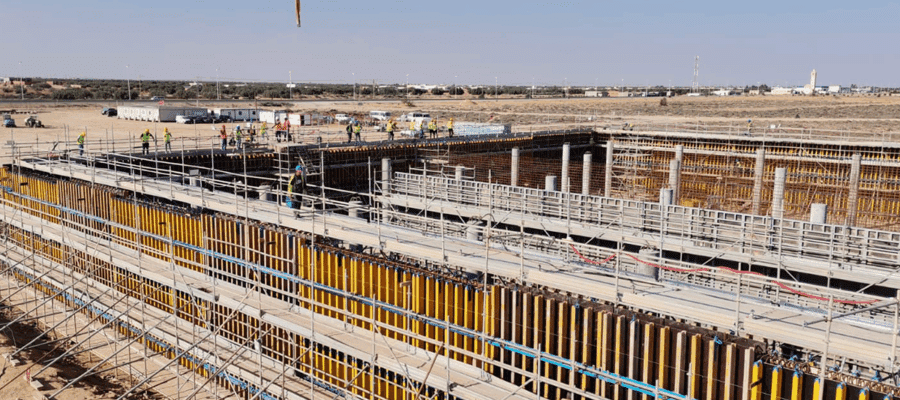



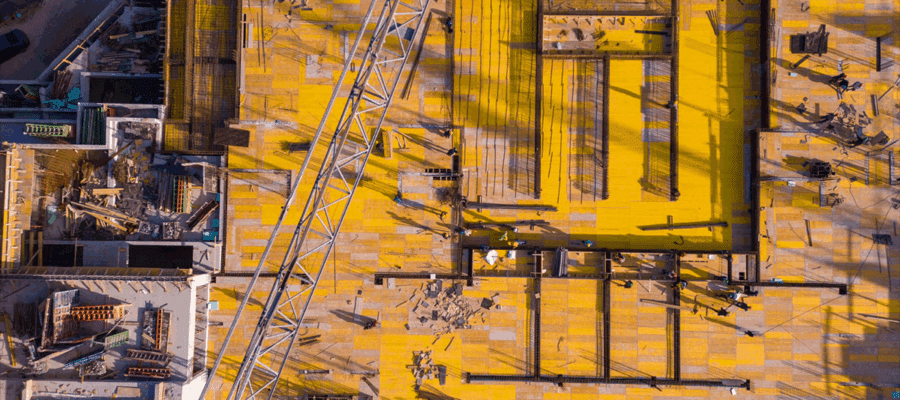
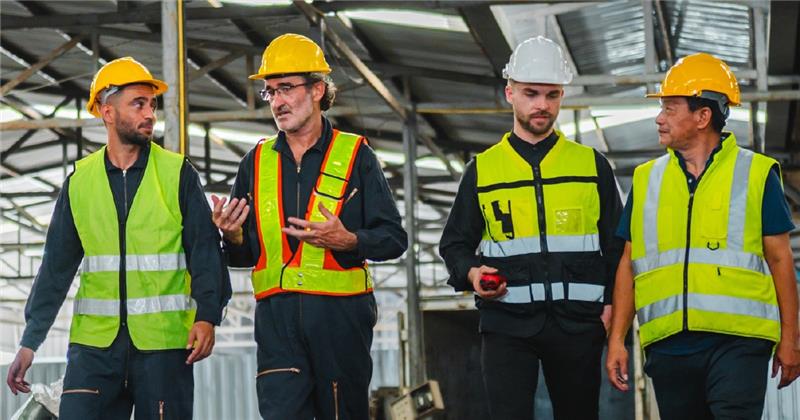
Construction site safety is a top priority for protecting workers, preventing accidents, and ensuring work proceeds smoothly. From day one, simple habits can significantly reduce risks associated with falls, equipment, movement, and the work environment.
Whether you are a mason, painter, facade specialist, site manager, or construction professional, adopting the right safety habits on site is essential.
In this article, Alchary presents 10 essential safety practices to implement right from the start of every project.
Why is construction site safety important?
Construction sites present numerous risks: falls from heights, falling objects, moving machinery, manual handling, the use of tools, and equipment in poor condition.
Effective prevention relies on three essential elements:
• Identifying risks before work begins.
• Using suitable equipment that is in good condition.
• Adopting responsible behaviors throughout the project.
Safety should therefore not be viewed merely as an obligation, but as a genuine culture to be integrated into every stage of the work.
1. Wear Personal Protective Equipment (PPE)
The first step is to wear personal protective equipment (PPE) appropriate for the work being performed.
Depending on the risks present at the worksite, PPE may include, for example:
• Safety helmet
• Safety shoes
• Suitable gloves
• Safety glasses
• Hearing protection
• High-visibility vest
• Fall-arrest harness for working at heights
PPE must be suitable for the task, used correctly, and regularly inspected.
2. Inspect equipment before starting
Before use, take the time to check the condition of the site equipment.
For scaffolding, it is particularly important to inspect:
• Structural stability
• Assembly components
• Guardrails
• Access points
• Platforms
• Toe boards
• Anchor points, where required
Equipment showing any defects must not be used until it has been inspected and secured.
3. Ensuring safety for work at height
Working at height poses a significant risk on construction sites.
To minimize the risk of falls, it is essential to use appropriate access and work solutions, such as properly installed and equipped scaffolding.
Platforms must be stable, access points secure, and collective protection measures correctly positioned.
A good rule of thumb: never improvise a solution to reach an elevated area.
4. Keep traffic areas clear
A well-organized worksite is also a safer one.
Passageways, staircases, access routes, and traffic areas must be kept clear to minimize the risk of falls or collisions.
Materials, tools, and waste must be stored in designated areas.
Regular tidying also saves time and improves working conditions.
5. Inspect scaffolding before use
Scaffolding must be inspected before anyone climbs onto it.
In particular, it is essential to ensure that the structure is correctly assembled and equipped with the necessary safety features.
Facade scaffolding, multidirectional scaffolding, and other structures must be used in accordance with their design and applicable safety regulations.
A stable, properly equipped structure helps create a safer working environment for professionals.
6. Use the right tools for each task
Using an unsuitable tool can significantly increase the risk of accidents.
Before starting a task:
• Check the condition of the tool.
• Use the equipment suited to the task.
• Follow the operating instructions.
• Never remove a safety device.
• Put tools away after use.
A tool that is in good condition and used correctly ensures better working conditions.
7. Watch out for falling objects
On a construction site, tools and materials can fall from heights and endanger people below.
To reduce this risk, it is important to:
• Secure areas located beneath work being performed at heights.
• Use toe boards where necessary.
• Avoid leaving tools on the floor.
• Store materials properly.
• Wear a hard hat.
Preventing falling objects must be considered right from the site planning stage.
8. Adhere to permissible load limits
Each piece of equipment has specific characteristics and operating limits.
Floors, platforms, scaffolding, and shoring systems must be used within their permissible load limits.
It is therefore important not to overload a platform or floor with materials exceeding its rated capacity.
Check the equipment’s technical specifications before use.
9. Communicating with other teams
Communication plays a vital role in preventing accidents on the job site.
Workers must be informed of existing risks, hazardous areas, and ongoing work.
Before any specific operation, ensure that the individuals involved are aware of:
• The task to be performed
• The associated risks
• Preventive measures
• The necessary equipment
• Areas to avoid
Good communication helps prevent many misunderstandings and risky behaviors.
10. Report any hazardous situation immediately
Any identified hazard must be reported without delay.
This may include:
• Damaged scaffolding
• An unstable floor
• Defective equipment
• An inadequately secured area
• An obstacle in a traffic area
• Missing collective protection
Promptly reporting a hazard allows necessary measures to be taken before an accident occurs.
Safety mistakes to avoid on a construction site
Even with the right knowledge, certain bad habits can increase risk.
Here are some common mistakes to avoid:
• Using damaged equipment.
• Climbing onto scaffolding without checking its condition.
• Working at heights without proper protection.
• Overloading a platform.
• Leaving tools or materials in walkways.
• Removing collective protection measures.
• Neglecting to wear PPE.
• Modifying a structure without following the prescribed instructions.
Prevention often begins with simple, consistent actions.
Construction Site Safety and Equipment: Choosing Quality
Even with the right knowledge, certain bad habits can increase risk.
Here are some common mistakes to avoid:
• Using damaged equipment.
• Climbing onto scaffolding without checking its condition.
• Working at heights without appropriate protection.
• Overloading a platform.
• Leaving tools or materials in walkways.
• Removing collective safety measures.
• Neglecting to wear PPE.
• Modifying a structure without following the prescribed instructions.
Prevention often begins with simple, consistent actions. Equipment quality plays a vital role in the safety of construction professionals.
Scaffolding, platforms, and shoring systems must be suited to the specific needs of the site and used in accordance with their technical specifications.
At Alchary, we offer solutions for construction professionals, particularly in the fields of scaffolding and site equipment.
Our goal is to support professionals with equipment designed to meet the demands of various construction, renovation, and maintenance projects.
Conclusion: Safety starts on day one
Construction site safety relies above all on prevention, preparation, and adopting safe habits.
Wearing PPE, checking equipment, securing work at heights, keeping traffic areas clear, and flagging hazards are all actions that help reduce risk.
Every site is different, but one rule remains essential: never neglect safety, even for a task that seems simple or quick.
With the right equipment and proper organization, professionals can work in better conditions and contribute to a safer job site.
Alchary supports construction professionals with scaffolding solutions and equipment tailored to site requirements.
Related Posts