
1. Plan each step with precision
Before laying the first stone, it all starts with strategic planning. A good construction site leaves no room for improvisation.
Why planning is paramount
A well-defined schedule makes it possible to anticipate the needs in equipment, labor, and logistics. This reduces downtimes, additional costs, and scheduling conflicts. For this:
* Identify the key phases of the worksite
* Allocate adequate resources at each step
* Plan a margin for technical or climatic contingencies
2. Comply with on-site safety standards
Security is a top priority in the construction industry. It concerns the teams, but also the residents and visitors.
Simple gestures to avoid risks
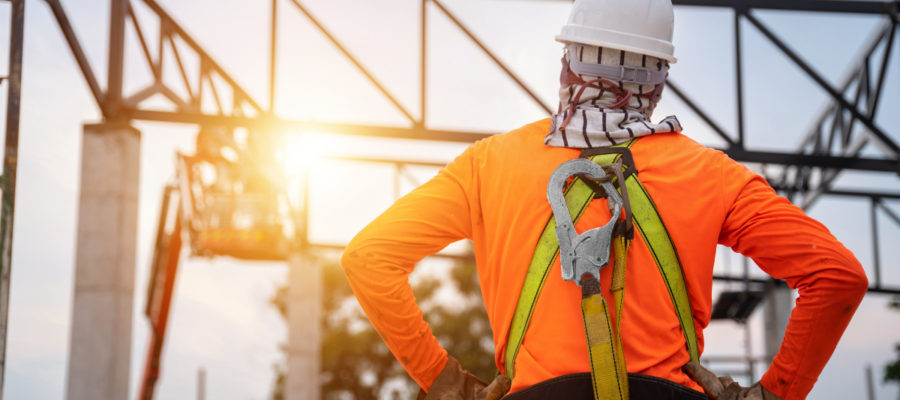
* Provide suitable personal protective equipment (PPE)
* Set up a clear and visible signage
* Organize regular briefings on safety instructions
* Ensure that the equipment is compliant and well maintained
3. Choose a high-performance and suitable material
Using the right material saves time, increases work quality, and decreases the risk of incidents.
The importance of quality material
Renting or buying a maladapted scaffolding can cause delays and complications. To avoid this:
* Use a responsive and reliable supplier
* Select your equipment according to the typology of the construction site
* Prioritize products that comply with standards.
4. Ensure constant communication between teams
A project that is progressing well relies on smooth communication between all stakeholders. The information must circulate quickly and without distortion.
Create a collective dynamic
* Have regular meetings (physical or video)
* Centralize documents on a common platform
* Define clear maintainers for each task
* Use collaborative tracking tools
Good communication avoids misunderstandings, coordination errors, and delays related to decisions made too late.
5. Track the progress of the construction site in real time
Controlling the progress of the construction site is essential to meet deadlines, control costs, and ensure a compliant result.
The right steering tools
Set up dashboards with precise indicators:
* Alerts on delays or overcosts
* Progress rate per position
* Gaps between the forecast and the real one
6. Adapt to unforeseen circumstances
No construction site is going exactly as planned. Bad weather, delivery delays, technical discoveries… You have to be responsive.
Adopt a proactive stance
* Always have a logistic or technical plan B
* Keep in constant contact with suppliers
* Demonstrate flexibility in resource allocation
* Keep your teams informed in real time
7. Close the site with rigor
The last phase is too often overlooked. Yet, a careful reception conditions customer satisfaction and the smooth running of the following steps.
Do not overlook the end of the project
* Check point by point the contractual commitments
* Formalize the receipt in writing with the speakers
* Gather all the end of construction documents: plans, notes, control reports
* Safely dismantle temporary facilities