


Multi-directional scaffolding: why choose this solution for your work?
On a construction site, the choice of scaffolding conditions both the safety of crews and the efficiency of the work. Among the various solutions available on the market, multidirectional scaffolding stands out for its exceptional flexibility. Adapted to the most complex configurations, it is attracting more and more professionals in construction, renovation and industry. But concretely, what makes this system so effective, and for which types of projects is it really relevant? This article summarizes the situation.
What is multidirectional scaffolding?
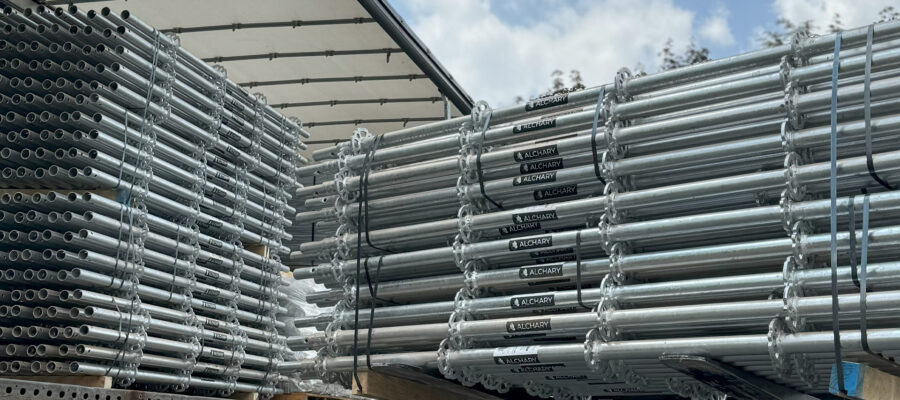
The multi-directional scaffolding is a modular system composed of steel uprights and stringers, assembled using a system of rosettes welded to the uprights. Each rosette has several connection points that allow the beams, diagonals and other components to be quickly fixed at different angles, without requiring additional connections.
Unlike traditional scaffolding with prefabricated frames, this system offers great freedom of configuration. It allows the elements to be assembled in several directions to adapt to all site geometries, whether they are right angles, curves, recesses or complex facades.
The main advantages of multi-directional scaffolding
Unmatched adaptability
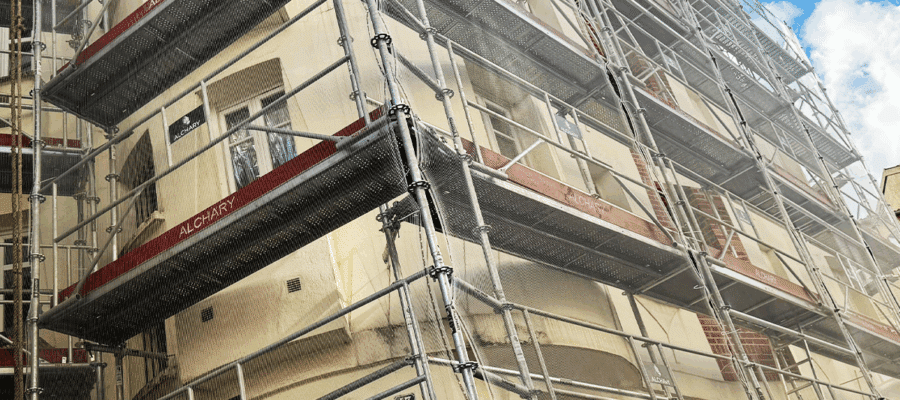
The first advantage of this type of scaffolding is its ability to fit complex architectural structures. Historic buildings, curved facades, sloped roofs, atypical interior courtyards: the multidirectional scaffolding adjusts to each constraint of the terrain without requiring custom parts.
Enhanced security
Thanks to its swiveling connections and high structural rigidity, this system offers optimal stability even on uneven surfaces or uneven floors. Multidirectional anchoring points distribute loads better, which reduces the risk of tipping and improves the safety of operators at height.
A durable and reusable solution
Made of galvanized steel or aluminum, the multi-directional scaffolding withstands weather and wear over time. Its standardized components allow fast reassembly on different sites, making it a profitable investment for companies performing regular interventions.
A high load capacity
This type of scaffolding supports heavy loads, which makes it compatible with heavy work: masonry, facade restoration, framing work, or industrial interventions requiring bulky equipment.
In which cases should this type of scaffolding be preferred?
Multi-directional scaffolding is particularly recommended for:
* Complex or irregular facades (old buildings, historical monuments, contemporary architecture)
* High-rise work requiring a stable and custom-made structure
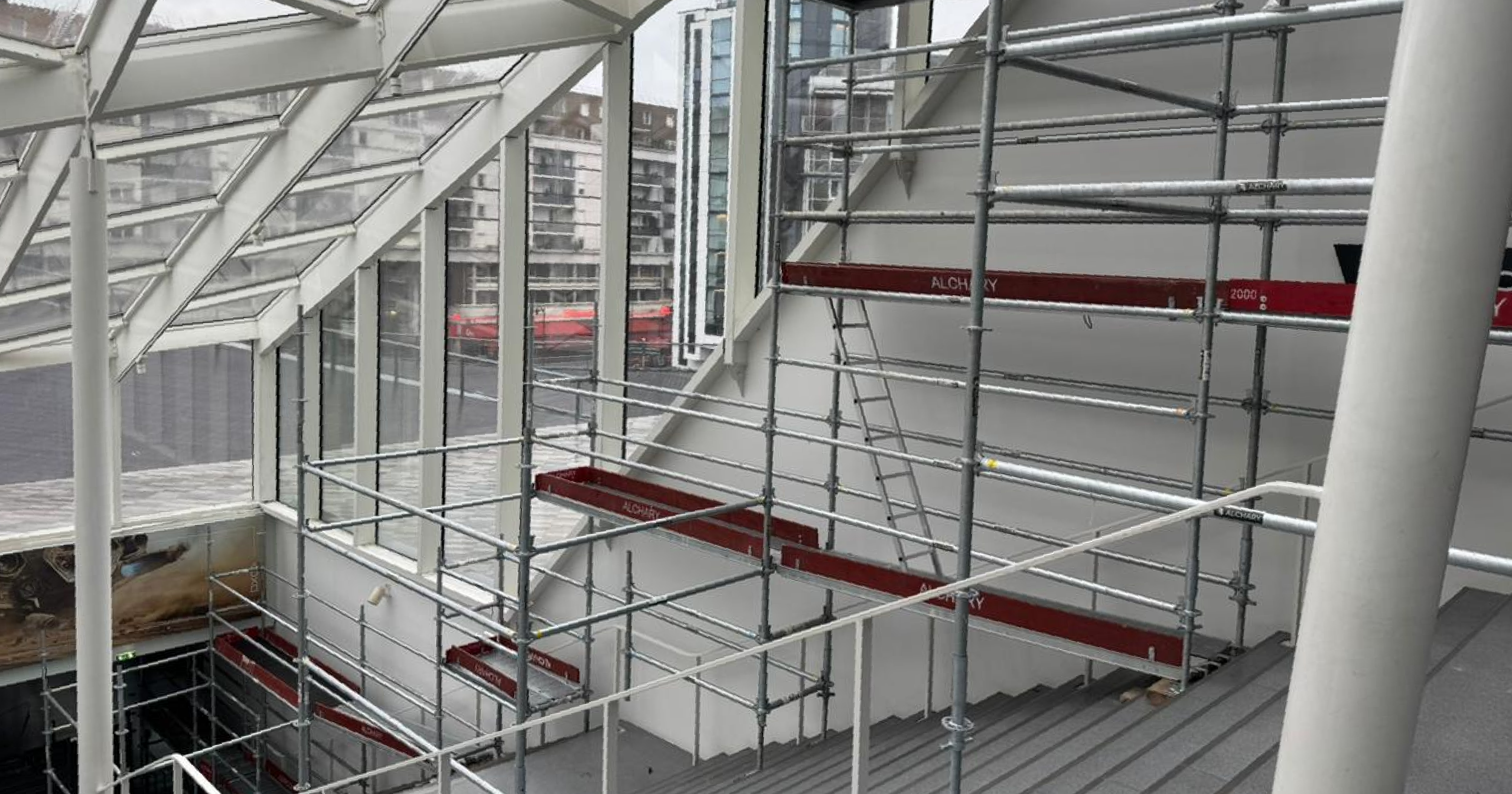
* Industrial sites with specific access constraints
* Renovations involving multiple reliefs, angles, or indentations
* Projects requiring a high load-bearing capacity
For flat facades and standard buildings, a scaffolding with prefabricated frames can be sufficient and more economical. The choice therefore depends primarily on the configuration of the site.
Rental or Purchase: Which option to choose?
For companies carrying out occasional projects, renting multi-directional scaffolding is often the most economical solution. It allows access to recent equipment that complies with current standards, without the constraints of storage and maintenance.
Conversely, companies specializing in complex work or frequently involved in difficult sites have every interest in investing in their own equipment, which pays off in the long term.
Standards and Regulations to Know
The assembly of a multidirectional scaffolding must comply with the European standard NF EN 12811, which outlines the performance requirements and verification methods for working scaffolds. It is also imperative that the assembly be carried out by qualified personnel, trained in the risk of falling from height, in accordance with the Labor Code.
Before any use, an initial check and periodic inspections must be carried out to ensure compliance of the installation.
Multi-directional scaffolding is a leading solution for construction sites requiring flexibility, robustness and safety. Its ability to adapt to complex architectures makes it a wise choice for professionals facing non-standard configurations. Whether rented or purchased, this system represents a strategic investment to optimize the safety and efficiency of your work at height.
Related Posts