


Concreting is a crucial step in construction work. To ensure the sustainability and quality of your projects, it is essential to understand the different stages of the process. In this article, we guide you through the essential steps of concreting, from site preparation to concrete finishing. Follow our complete guide to succeed in your construction work.
1. Site preparation for concreting
Before starting concreting, it is crucial to properly prepare the site to ensure optimal conditions. Start by analyzing the soil to identify potential problems and adjust the concreting methods accordingly. Then clean the site by removing debris, stones and vegetation that could hinder the process. Formwork installation must be accurate to ensure that the concrete takes the desired shape. Finally, organize the materials nearby for easy and quick access. By following these steps, you optimize the progress of concreting and ensure the quality of the final construction.
Soil study for successful concreting
Before starting concreting, perform a thorough analysis of the terrain. This study allows you to determine the most appropriate concreting method according to the nature of the soil. By ensuring that the ground is stable and able to support the concrete structure, you avoid future problems and ensure the longevity of your construction.
Cleaning and delimitation of the site before concreting
Before pouring the concrete, it is crucial to thoroughly clean the site by removing all debris, stones and vegetation. Then, clearly delimit the area to be concreted using visible landmarks. This ensures accurate application and avoids errors that could compromise the quality of the concreting. A well-prepared site contributes to more uniform and durable concreting.
Formwork installation: Key for precise concreting
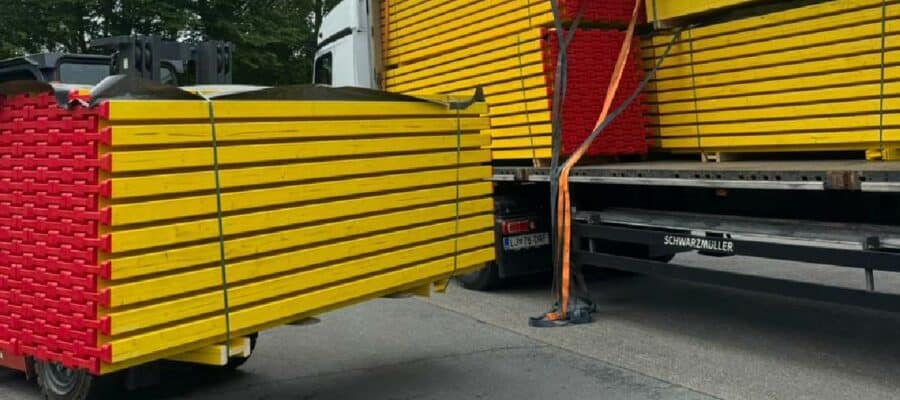
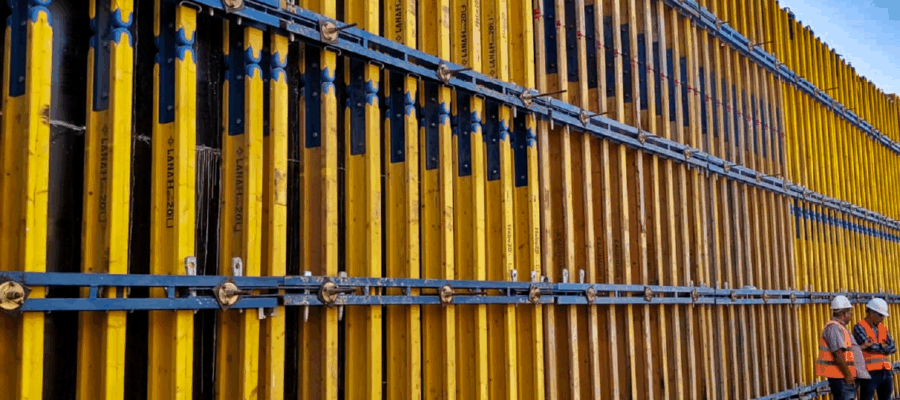
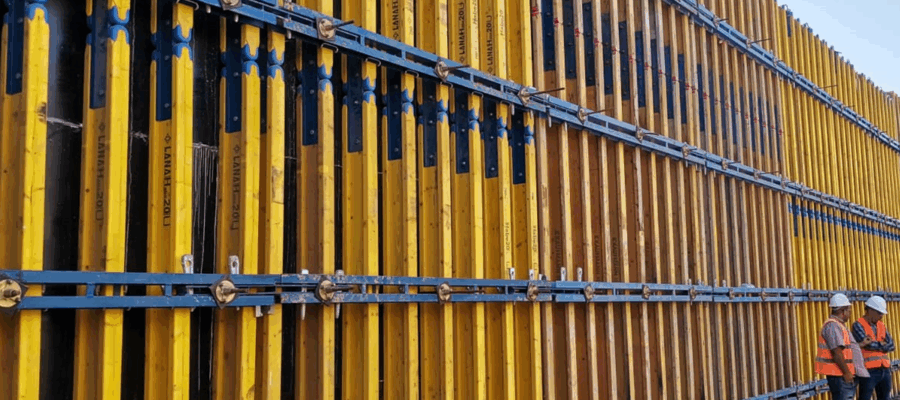
Formwork plays a fundamental role in concrete shaping. You must install them with great precision to ensure that the concrete takes the desired shape. It is essential to use high-quality materials for formwork in order to avoid concrete leaks and ensure a neat, clean finish. By properly installing the formworks, you ensure that you obtain results in line with expectations and avoid costly adjustments afterwards.
2. Concrete preparation for optimal concreting
To ensure concrete quality, it is essential to thoroughly prepare the materials and achieve a homogeneous mixture. First of all, select the materials carefully, choosing a high-quality cement and well-calibrated aggregates. Then, make sure that the water used is clean, without impurities, to not compromise the concrete. Once the materials are ready, proceed to the precise dosage of each component. Respecting the recommended proportions is crucial to obtain a resistant and durable concrete. Finally, mix the materials evenly to avoid lumps and ensure optimal cohesion. By following these steps rigorously, you will maximize the quality of concrete for your construction projects:
Choose the materials for concreting
To ensure the quality of concrete, it is crucial to choose appropriate materials. Select a high quality cement, clean and well calibrated aggregates, as well as adequate sand. The water used must be perfectly clean, without impurities, so as not to compromise the quality of the concrete. Rigorous selection of materials is therefore essential to obtain a durable and resistant concrete. Furthermore, the use of quality materials helps to avoid repairs and additional costs in the long term.
Dosing of components for durable concreting
Precise material dosage is necessary to obtain a concrete that is both strong and durable. Scrupulously respect the recommended proportions for each component depending on the type of construction you carry out. Proper proportioning ensures that the concrete will achieve desired characteristics, such as strength and durability. In this way, you ensure optimal performance of the structure once the concrete has hardened.
Concrete mixing: Techniques for homogeneous concreting
Mixing of concrete can be done manually for small quantities or using cement mixers for moderate quantities. For larger projects, the use of mixer trucks is recommended. The objective is to obtain a homogeneous mixture, without lumps, in order to ensure optimal strength and cohesion of the concrete once hardened. Proper mixing is essential to ensure the performance of concrete in the structure. In addition, the homogeneous mixture promotes easier and uniform application on the construction site.
3. Concrete pouring: Techniques and advice
Pouring concrete requires both precision and speed of execution to prevent any problems. To succeed in this crucial step, follow these essential sub-steps. First of all, transport the concrete quickly to the site in order to maintain its fluidity and prevent it from starting to harden prematurely. Then, distribute it carefully into the formworks, starting with the most remote areas, which will facilitate work while ensuring uniform application. Furthermore, make sure to vibrate the concrete well once it is poured, in order to eliminate air bubbles and ensure a compact and solid structure. By following these steps, you will optimize the quality and durability of your concrete:
Concrete transport for efficient casting
Concrete must be transported to the construction site quickly and efficiently to prevent it from starting to harden prematurely. Depending on the size of the site, use wheelbarrows, pails or concrete pumps to move the concrete to the formwork. Rapid transport helps to maintain the fluidity of the concrete and ensure a uniform application. Also be careful not to overload the means of transport to avoid unexpected interruptions in the pouring process.
Placement of concrete in formworks
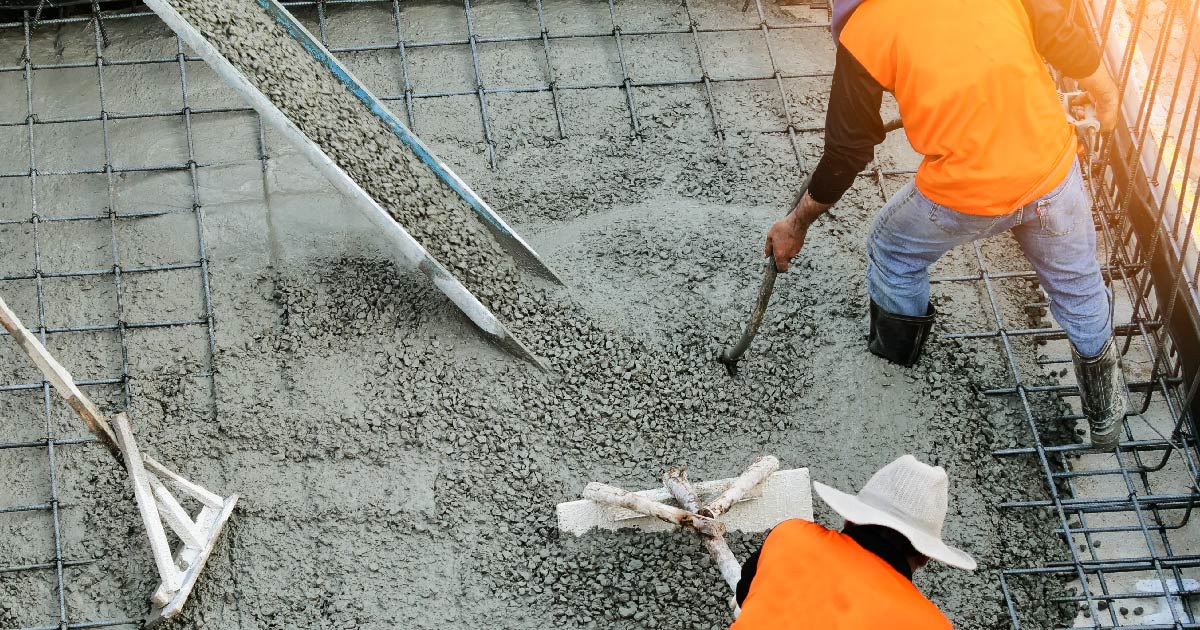
Once the concrete has arrived at the site, carefully pour it into the formworks ensuring it is evenly distributed. Start with the most remote areas to facilitate work and prevent the concrete from hardening before being completely poured. Correct placement is essential to obtain a uniform and solid structure. In addition, regularly check the depth of the poured concrete to avoid height variations that could affect the final quality.
Importance of concrete vibration during pouring
After setting up the concrete, it is crucial to vibrate it to remove air bubbles and ensure good compactness. Use concrete vibrators to obtain a smooth surface and avoid the formation of voids in the structure. Vibration helps improve the density of concrete and ensure a high-quality finish. By correctly applying this step, you minimize the risk of internal defects that could compromise the strength of the structure.
4. Concrete finishing
The concrete finish directly influences the aesthetics of the surface, but it is also crucial for the durability and functionality of the structure. To obtain an optimal result, it is important to carefully smooth the concrete after pouring, using suitable tools such as trowels and rulers. This step ensures a homogeneous and visually appealing surface. In addition, the creation of expansion joints is essential to prevent cracks due to thermal variations or material shrinkage. Finally, an adequate cure of the concrete, consisting in keeping it wet for several days, ensures uniform curing and maximizes the strength of the structure. By following these steps carefully, you will improve the longevity and efficiency of your concrete project.
Level and smooth the concrete after pouring
Immediately after pouring, use trowels and rulers to level the concrete surface. The smoothing must be carried out with care to obtain a homogeneous and aesthetic finish. A neat finish is important to ensure the performance and appearance of the concrete surface. Moreover, a well-smoothed surface facilitates subsequent finishing works and improves the durability of the surface.
Creation of expansion joints to avoid cracks
To prevent cracks due to thermal movement or concrete shrinkage, create expansion joints. These joints allow the concrete to expand or contract without cracking, thus improving the durability and longevity of the structure. Be sure to place the joints strategically based on the dimensions of the surface and climatic conditions.
Cures concrete to ensure maximum strength
To ensure even curing and avoid shrinkage cracks, concrete must be kept wet for several days. You can do this by regularly watering the surface, using moist tarps or applying specially designed curing products. Proper curing is essential to achieve maximum concrete strength. In addition, good curing promotes durability and resistance to varied climatic conditions.
5. Formwork removal and concrete inspection
Once the concrete has hardened, it’s time to move on to the final stages. Start by removing the formworks carefully to avoid damaging the edges of the concrete. Then, perform a thorough inspection of the work done. This check ensures that the structure is free of cracks and other defects, and meets the required quality and safety standards. These steps, although final, are crucial to ensure the durability and strength of your construction.
Unformwork: When and how to remove formworks
Formwork can be removed once the concrete has hardened sufficiently, usually after a period of 24 to 48 hours. It is important to proceed with caution to avoid damaging the edges of the concrete. Careful stripping allows the quality of the concrete finish to be preserved. By removing the formworks at the right time, you ensure a better finish and reduce the risk of damage
Final inspection to check the quality of the concrete
Finally, perform a thorough inspection of the concrete structure to check for the absence of cracks, defects, or other issues. This step ensures that the concreting has been carried out correctly and that the structure complies with safety standards. Rigorous inspection is essential to ensure the solidity and safety of the construction. Also ensure that all necessary corrections are made before the commissioning of the structure.
Conclusion
Concreting is a delicate operation that requires meticulous preparation and careful execution at every stage of the process. By carefully following the steps described, you can guarantee a successful concreting, ensuring the strength and durability of your constructions. The prevention of formwork risks at BTP worksites is also essential to avoid accidents and ensure the safety of all stakeholders. Comply with safety standards and curing times to achieve optimal results and extend the life of your concrete structures
Related Posts