


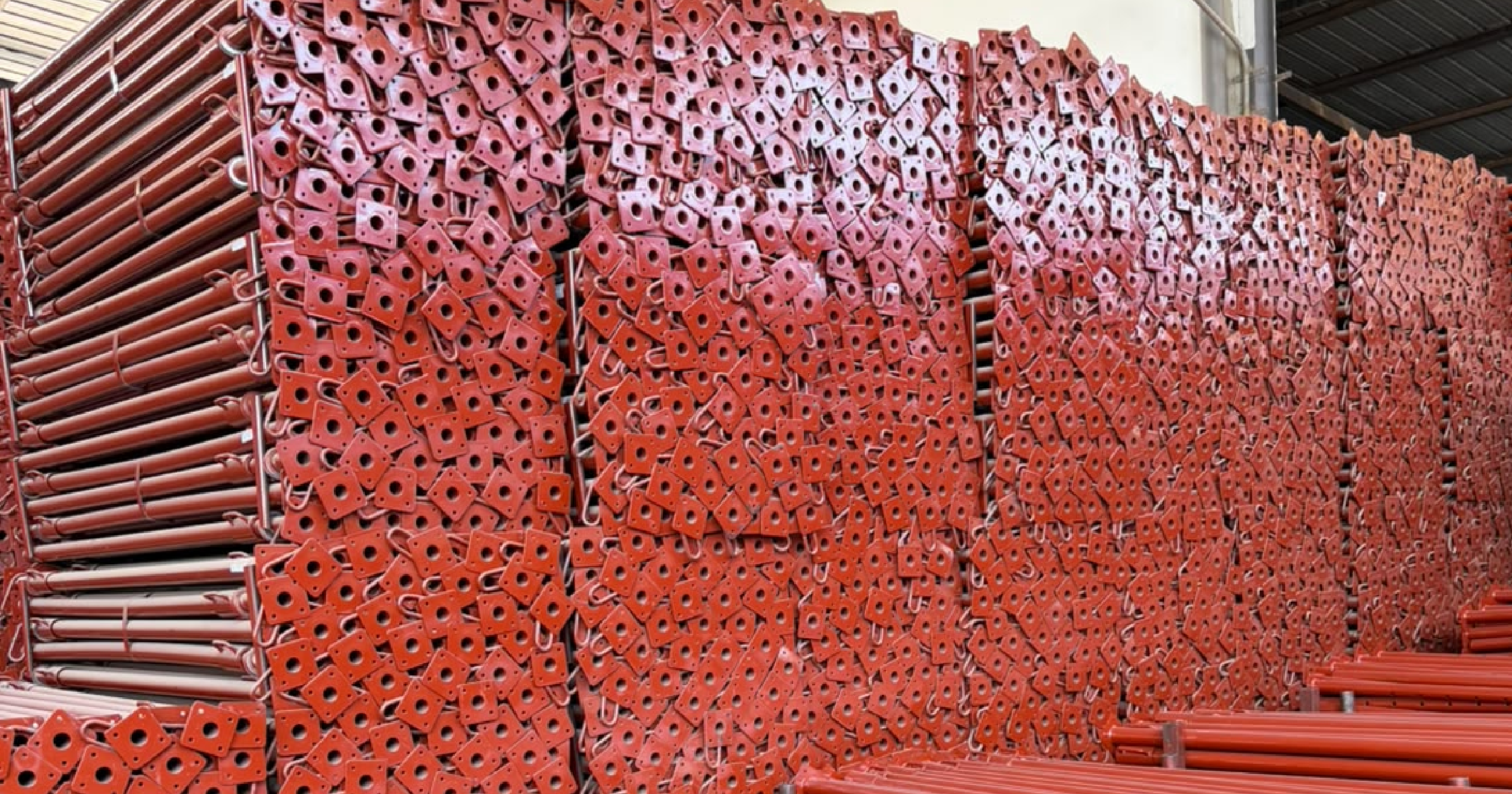
Proper shoring: the key to a safe construction site
In the construction industry, shoring plays a vital role in the temporary support of structures during construction work. It ensures the stability of slabs, beams, floors, and other load-bearing elements until they are capable of supporting loads independently.
Poorly designed installations or unsuitable equipment can lead to delays, additional costs, and—above all—compromise the safety of the workforce. Adopting best practices is therefore essential to ensure the smooth progress of every construction project.
1. Choosing a shoring system suited to the project
Every construction site has its own specific constraints, such as height, span, loads to be supported, and the working environment. Equipment must be selected based on these criteria to ensure the stability of the entire assembly.
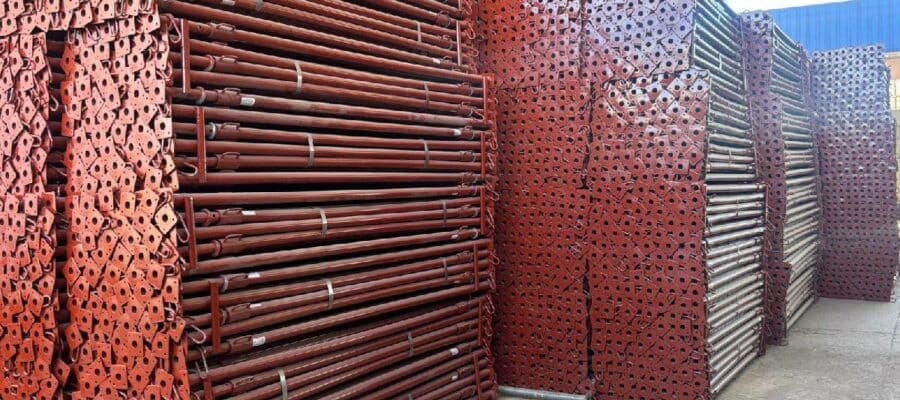
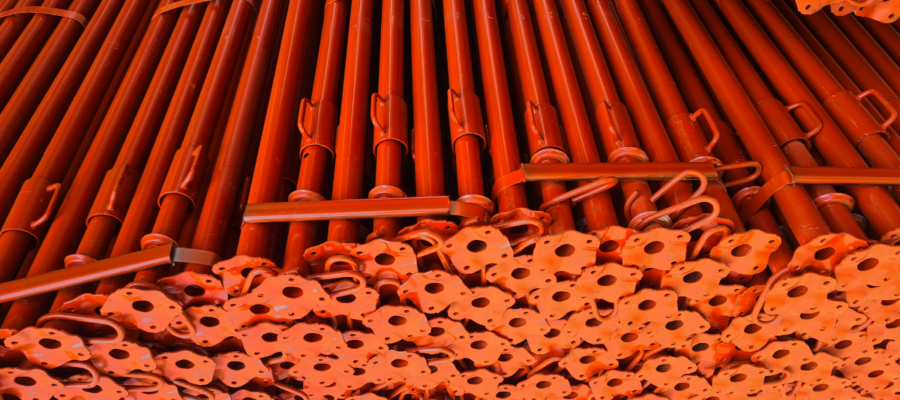
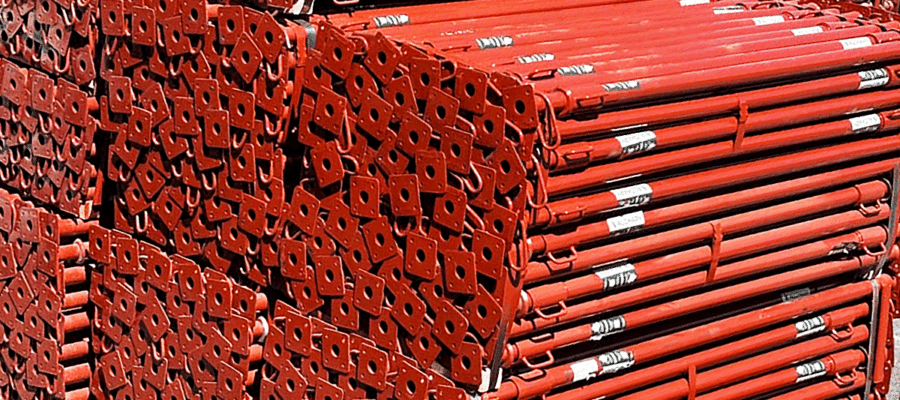
Using appropriate props and accessories ensures effective structural support throughout the construction process.
2. Check the condition of the equipment before each use
Before assembly, it is essential to inspect every component of the shoring system.
Pay particular attention to:
* the absence of deformation;
* the condition of pins and locking systems;
* any signs of corrosion;
* the proper functioning of adjustment mechanisms.
Any equipment showing a defect must be replaced before use.
3. Install the props on a stable base
The stability of the shoring depends largely on the quality of its support. The props must rest on a surface capable of bearing the anticipated loads.
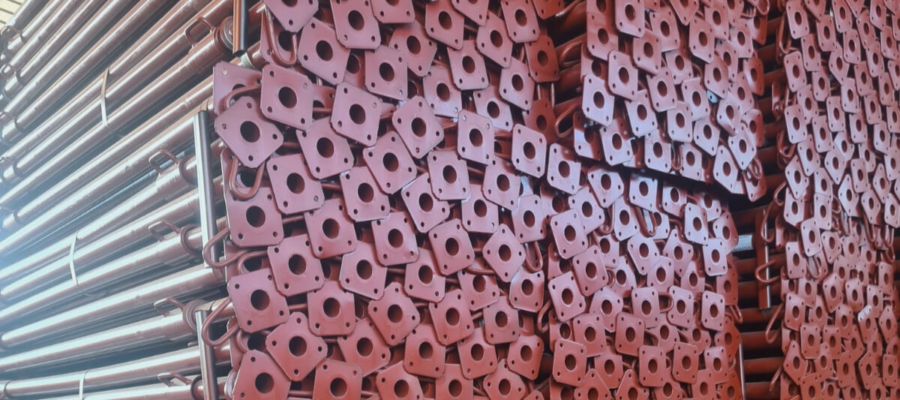
If necessary, load-spreading plates or sole plates may be used to distribute the forces more effectively and prevent any subsidence.
4. Adhere to load limits
Each prop is designed to support a maximum load. Exceeding this capacity can compromise the structural integrity of the entire assembly and increase the risk of an incident.
Sizing calculations must always account for the weight of the concrete, formwork, equipment, and any temporary loads present on the construction site.
5. Check the alignment and adjustment of the props
A poorly positioned or improperly adjusted prop can reduce the effectiveness of the shoring system.
During assembly, ensure that you:
* maintain the props in a vertical position;
* adjust their height precisely;
* verify that they are securely supported before work begins.
These checks help ensure an even distribution of loads.
6. Conduct regular checks during the project
The shoring system must be monitored throughout the course of the work. Regular inspections allow for the early detection of loosening, shifting, or any other anomaly that could compromise the structure’s stability.
Such checks are particularly recommended following adverse weather conditions or any significant changes to the site.
7. Remove shoring only when the structure is ready
Dismantling must only take place once the concrete has reached the strength required to support the anticipated loads.
Adhering to formwork removal schedules and technical recommendations helps prevent deformation, cracking, or the risk of collapse.
Why are these best practices essential?
Properly designed and installed shoring offers numerous benefits:
* improved safety for work crews;
* optimal stability for structures under construction;
* reduced risk of accidents;
* better control over project timelines;
* increased equipment durability through proper use.
By incorporating these best practices into every project, construction professionals help improve the quality of their work while operating in safer conditions.
Trust Alchary for your shoring solutions
At Alchary, we offer a range of shoring solutions designed to meet the demands of construction professionals. Robust, reliable, and suited to job site requirements, our equipment supports you in safely completing your projects.
Our team is at your disposal to provide advice and guide you toward the solutions best suited to your projects.
Conclusion
The success of a construction project relies largely on the quality of its preparation and adherence to best practices. By selecting suitable equipment, regularly checking its condition, and ensuring proper installation, you minimize risks while guaranteeing the stability of your structures.
Reliable shoring is an investment in the safety, performance, and success of your construction projects.
Related Posts