

1. Scaffolding: a versatile solution
Scaffolding remains one of the most common ways to work at height. It guarantees stable and secure access to operators, whether for construction, renovation, or maintenance.
* Fixed scaffolding : Ideal for long interventions, they offer excellent stability and high load capacity.
* Échafaudage-roulant-haulers : More mobile, they are suitable for short-term work and facilitate travel.
* Multidirectional scaffoldings : Used mainly for facade works, they allow access at height without footprint.
* Professionals must assemble and dismantle these structures in compliance with safety standards. Regular verification prevents risks related to defective elements or wear. In addition, accessories such as guardrails, baseboards, and access hatches improve worker safety.
2. Ladders and stepladders: a one-time use
Ladders and stepladders allow quick access, but their use remains limited to short interventions. To ensure security, several rules must be respected:
* Work on a stable, non-slip surface.
* Respect the maximum height allowed.
* Maintain three points of contact with the ladder.
* Regularly check the status of steps and amounts.
The installation of a scaffolding or other secure device is required as soon as possible. In some cases, individual work platforms are a better alternative due to their increased stability.
3. Individual and collective protection systems
Preventing falls requires the installation of appropriate devices:
* Guardrails : They secure work platforms at heights.
* Lifelines and safety harnesses : Essential for at risk interventions..
* Safety nets : They catch falls of workers or materials..
Collective protective devices must always take precedence over individual equipment. Safety nets are particularly effective for work at height on large surfaces, such as building or bridge construction sites.
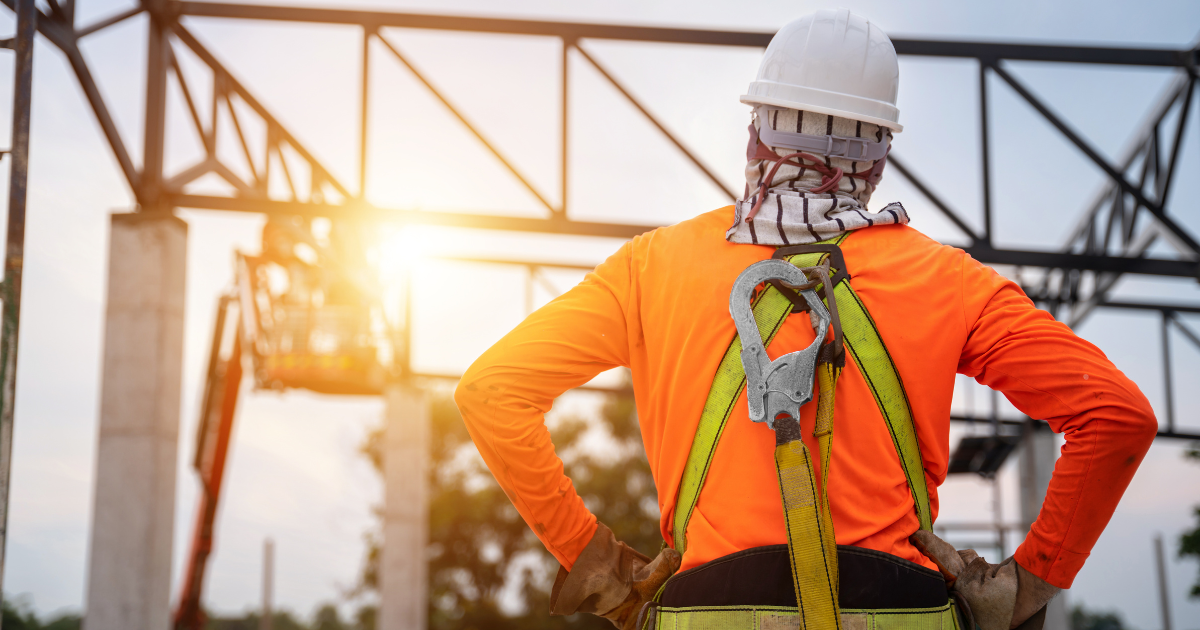
Workers must also wear appropriate personal protective equipment (PPE). The safety harness, connected to a certified anchor point, remains essential for interventions at height. Regular inspection of the equipment ensures its good condition and effectiveness.
4. Training and prevention: essential elements
The use of equipment from Operators must undergo training on the use of work at heights equipment. Employers thus ensure that their teams know the safety rules, good practices and risks involved. Regular training reduces accidents and improves job site performance.
The awareness sessions cover several essential points:
* Identification of hazards related to different working heights.
* Correct use of scaffolding, ladders and protective devices.
* Evacuation and rescue procedures in the event of an accident.
Fostering a culture of safety within teams significantly limits incidents. Rigorous monitoring of equipment and smooth communication between workers help prevent hazards.
Conclusion
Choosing the right means of access and working at height depends on the constraints of the site, safety requirements, and the nature of the work. Between scaffolding, ladders and protective devices, each solution has specific advantages. However, security must always remain the priority. Training teams and preventing risks ensure a secure working environment. Adopting good practices allows working efficiently while protecting workers on the construction sites.