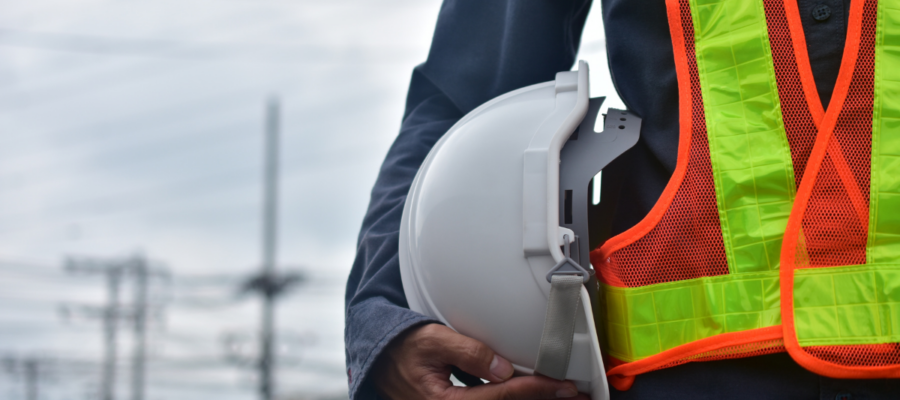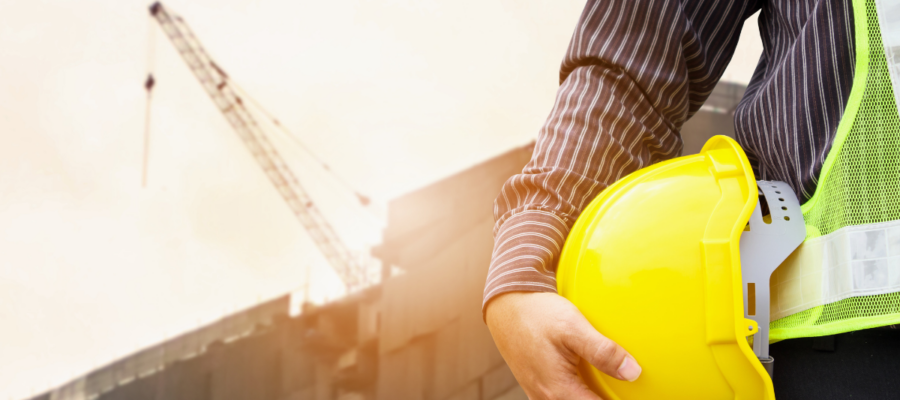
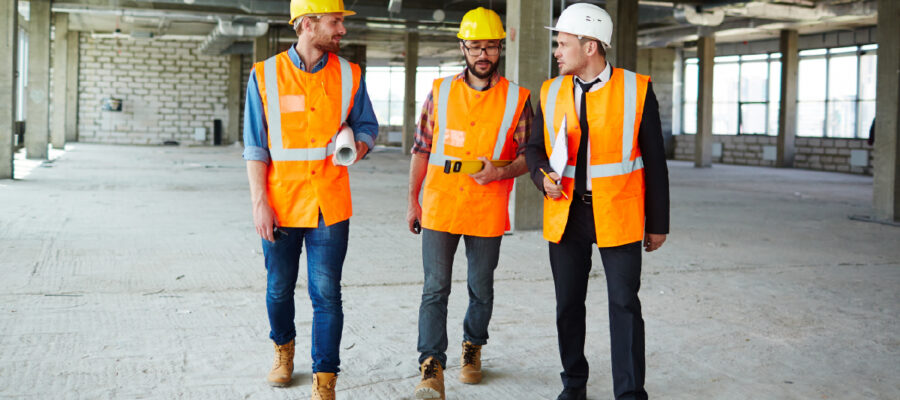

Safety on site is not an option, but an absolute necessity. Indeed, every day, workers are exposed to numerous risks: falls, collisions, material projections, excessive noise. In order to mitigate these risks, personal protective equipment (PPE) plays a crucial role. This equipment is specifically designed to protect workers against the dangers related to their work. At the same time, high-visibility clothing is essential to prevent accidents, especially when visibility is reduced.
I. PPE: an essential element of safety on site
Personal Protective Equipment, or PPE, are devices that workers wear to minimize their exposure to hazards on the construction site. In accordance with the law, employers are required to provide such equipment to their employees. While workers have the obligation to use them in accordance with the instructions. This legal obligation aims to reduce the number of accidents and protect the health of workers.
1. The legal obligations
>In France, the Labor Code requires employers to ensure the safety of their employees. This includes, of course, the supply of PPE adapted to the specific risks of the construction site. Article R4321-4 specifies, for example, that PPE must be provided free of charge by the employer and be adapted to the tasks to be performed. In addition, the employer must train employees in the correct use of this equipment.
As for the employees, they also have the obligation to use the PPE made available to them. In addition, they must report any equipment failure or wear to ensure their continued effectiveness.
2. The different types of PPE
PPE comes in several categories, each corresponding to a specific type of risk. Among the most common, we find notably:
The head protection:
The safety helmet protects the head from falling objects and impacts, reducing the risks of cranial injuries. Therefore, on construction sites where risks are present, the wearing of helmets is mandatory. In addition, some models include integrated visors and hearing protectors, thus providing enhanced security.
Eye protection:
Safety glasses protect the eyes from splinters, dust and corrosive substances. Thus, in environments where cutting tools, lasers or chemicals are used, these glasses become indispensable. They help preserve the sight of workers and prevent irreversible eye damage.
The hearing protection:
Earplugs and noise-cancelling headphones protect workers in noisy environments. Indeed, prolonged exposure to sound levels above 85 decibels can lead to hearing loss. Active noise reduction helmets provide protection while facilitating communication on the job site.
The respiratory protection:
Respiratory masks filter fine particles, dust and toxic gases. Thus, they are indispensable in environments where the air is polluted or when handling chemicals. This equipment ensures safe breathing, protecting the lungs from harmful substances.
Hand protection:
Safety gloves protect hands from cuts, burns, stings and shocks. Depending on the tasks, specific gloves, such as cut-resistant or insulating ones, are used to handle tools, metals or electrical cables. They significantly reduce the risk of hand injuries.
Foot protection:
Safety shoes, equipped with steel shells and anti-perforation soles, protect the feet from falling objects and sharp materials. In addition, they prevent slips and trips on slippery or unstable surfaces. These shoes are essential to ensure the safety of workers.
3. The choice and maintenance of PPE
Choosing the right PPE is, indeed, crucial to ensure effective on-site safety. Each task and each work environment have specific risks. For example, a worker handling chemicals will need chemical-resistant gloves, while a building worker will require cut-resistant gloves. In addition, the maintenance of PPE is just as important as their choice. Indeed, poorly maintained equipment can lose its efficiency, or even become dangerous. That is why employers must implement regular inspection and maintenance procedures. PPE should be cleaned, stored properly and replaced when it shows signs of wear.
II. High visibility: an indispensable factor for safety on site
Hi-vis clothing, on the other hand, is designed to make workers visible even in low light conditions. Indeed, they are often fluorescent, with reflective bands that capture the light and send it back to the source. On a construction site where visibility can be reduced by dust, rain or night, these clothes are essential to prevent collisions and other accidents.
1. Standards and regulations
In France, regulations require the wearing of high visibility clothing on job sites where workers are exposed to the risk of being hit by moving vehicles or machinery. Standards define the design, color and retro-reflection requirements of high visibility clothing. The ISO 20471 standard, for example, is an international reference that defines the requirements for high visibility clothing.
There are three classes of high visibility clothing, classified according to the amount of fluorescent material and reflective tape:
• Class 1 : These are the garments offering the lowest level of protection. They are generally used in low-risk environments, where visibility is still relatively good.
• Class 2 : These garments offer an intermediate level of protection. They are suitable for environments where the risk is higher, but where visibility conditions are not extreme.
• Class 3 : These are the garments offering the highest level of protection. They are essential in environments where workers are exposed to high risks, such as night work or in difficult weather conditions.
2. How to properly wear high visibility clothing
The correct wearing of high visibility clothing is, without a doubt, essential to ensure its effectiveness. The reflective strips must indeed be visible from all sides, day and night. In addition, it is also important that the clothes fit well, without being too tight or too loose. A poorly fitted garment can hinder the worker’s movements or reduce the visibility of the reflective strips.
High visibility clothing must also be maintained regularly. Indeed, reflective strips can lose their effectiveness if they are covered with dirt or damaged. Therefore, regular cleaning and proper storage are necessary to maintain their performance and, consequently, optimal safety on site.
III. The combined importance of PPE and high visibility clothing to ensure safety on site
The simultaneous use of PPE and high visibility clothing is a comprehensive safety strategy. By combining the physical protection of PPE with the increased visibility of specialized clothing, workers are better protected against a range of hazards present on the site.
1. The combined advantages
Let’s take for example a concrete case: a worker on a night road construction site. He wears not only a helmet to protect his head, but also safety glasses for his eyes, gloves for his hands, and a high-visibility jacket to be clearly seen by drivers. If a car approaches, the light from its headlights reflects on the jacket, alerting the driver to the presence of the worker. At the same time, the helmet protects the worker in case of a fall or collision. This type of built-in protection significantly reduces the risk of an accident.
2. Case studies on the importance of safety on site
Numerous accident studies and reports show the effectiveness of PPE and high visibility clothing when used properly. For example, in a recent case, a construction worker avoided serious injury due to his Hi-vis helmet and jacket. A lifting device hit a scaffolding, causing debris to fall. Thanks to his equipment, the worker was protected from shocks and was quickly spotted by the rescuers.
In addition, employers play a key role in the implementation of these on-site safety measures. Indeed, they must not only provide the necessary equipment, but also ensure that workers understand their importance and know how to use them correctly. So this includes regular training, safety reminders and on-site monitoring to ensure that PPE and high visibility clothing are worn at all times.
Conclusion
Safety on the job site is, no doubt, a shared responsibility by all, but it starts with employers’ commitment to providing the tools necessary to protect their employees. Personal protective equipment and high visibility clothing are fundamental elements of this protection. Their correct use can make the difference between a minor incident and a tragedy.
In summary, PPE protects workers from the specific hazards of their work, while high visibility clothing makes them visible and therefore less vulnerable to accidents. Together, they thus form a solid defense against the risks of the construction site. As construction professionals, we must always prioritize safety on site. This means not only complying with standards and regulations, but also promoting a safety culture where every worker understands the importance of PPE and high visibility clothing.
Let us never forget that safety on the construction site is not only a matter of legal compliance, but also of respect for human life. Every life saved by wearing PPE or a high visibility jacket is a victory for safety and for our industry.
Related Posts