H20 beams have become a must in the construction sector, especially for formwork. Their lightness and robustness make them ideal for a wide range of projects. But how to use them effectively and what advantages do they offer?
What is an H20 beam?
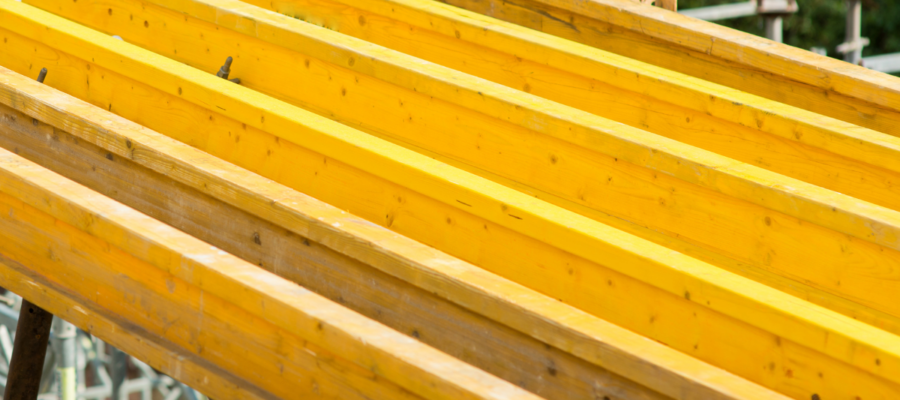
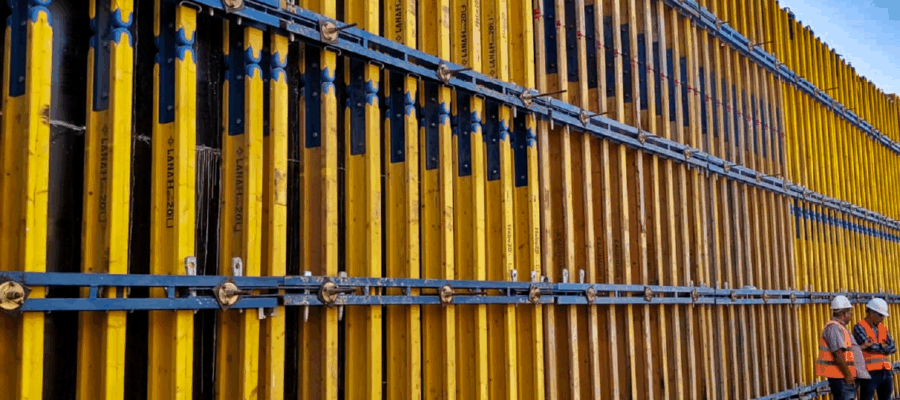
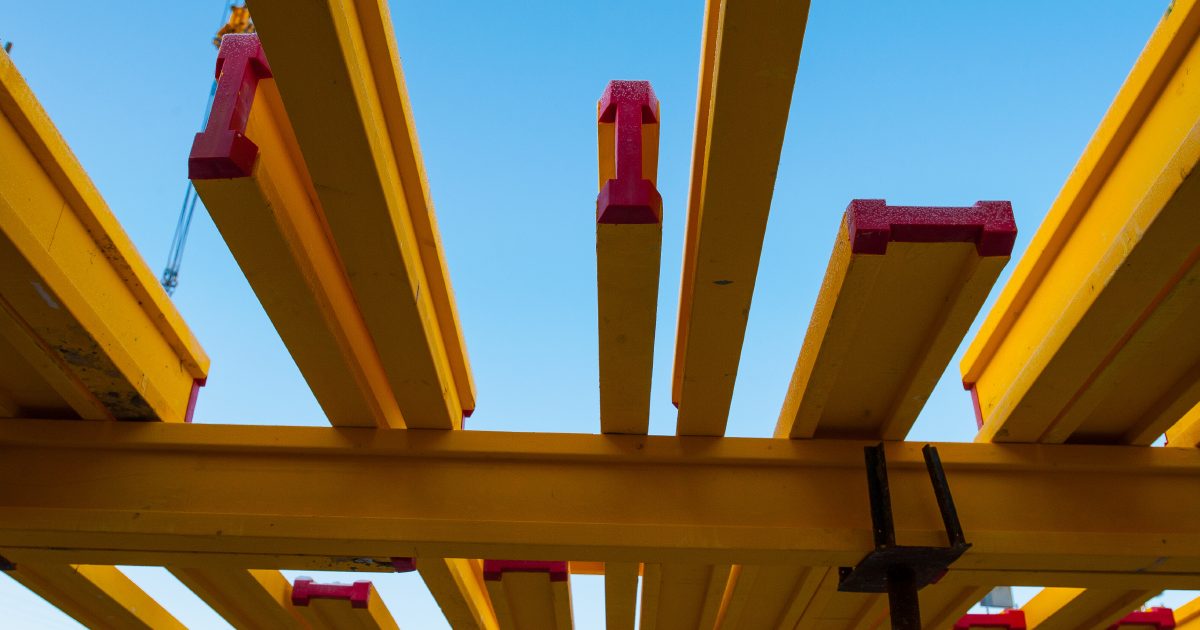
H20 joists are structural wooden elements, often used in the formwork of slabs and walls. Their I-shape allows them to support significant loads while remaining light. Generally made of laminated timber, they are renowned for their resistance to bending and durability on construction sites. Thanks to these characteristics, they offer reliable and sustainable solutions for building professionals.
The Advantages of H20 Joists
H20 joists have many advantages that set them apart from other types of joist. Indeed, they stand out for their lightness and their handling, because the wood used in their manufacture is not only light, but also easy to handle. Thus, workers can move them easily without resorting to heavy equipment, which significantly improves productivity on the site. In addition, their durability is guaranteed thanks to the laminated wood, which effectively resists wear, harsh conditions, moisture and shocks.
How to Use H20 Joists on a Construction Site?
To take full advantage of H20 joists, it is crucial to use them well. First, place them in such a way as to distribute the loads evenly. This will maximize their carrying capacity and reduce the risk of collapse. Then, make sure to properly attach them to the other formwork elements, such as the struts and panels, to maintain the stability of the structure during the work. Finally, although the H20 joists are robust, they require regular maintenance. Before each use, inspect them for cracks or signs of deterioration.
The Fields of Application for Beams H20
To take full advantage of H20 joists, it is crucial to use them well. First, place them in such a way as to distribute the loads evenly. This will maximize their carrying capacity and reduce the risk of collapse. Then, make sure to properly attach them to the other formwork elements, such as the struts and panels, to maintain the stability of the structure during the work. Finally, although the H20 joists are robust, they require regular maintenance. Before each use, inspect them for cracks or signs of deterioration.
The Fields of Application for Joists H20
H20 joists are widely used in various construction sectors. Their high load capacity makes them ideal for supporting concrete slab formworks. Moreover, their lightness and resistance make them a privileged choice for the construction of temporary formwork walls. In large-scale infrastructure projects, such as bridges and tunnels, they provide the stability needed for such complex structures.
Comparison with other types of joists
Although H20 joists are widely used, other types of joists are also common in construction. Steel beams, for example, are heavier than H20 beams, but they offer greater resistance to extreme loads, although they often require specific equipment for their handling. As for the aluminum beams, they are lighter than steel ones and well resistant to corrosion, but they cannot withstand the same loads as H20 beams. Thus, the H20 beams are positioned between those in steel and those in aluminum, offering an ideal balance between lightness and load capacity.
Essential standards for concrete and formwork beams
Please comply with EN 206-1, which applies to all types of concrete used in constructions, whether from concrete plants or prefabrication plants. This standard is essential to ensure the solidity and durability of structures. Moreover, the framework, as well as the wood used for its construction, are subject to strict regulations.
Maintenance and Longevity of Joists
To ensure the longevity of H20 joists, regular maintenance is essential. Here are some recommendations: Storage: It is important to store the beams in a dry place, away from bad weather. Prolonged exposure to moisture can lead to deformations. Cleaning: After each use, it is advisable to clean the beams in order to remove any concrete or dirt residue that could affect their performance. Regular verification: Before each new use, a careful inspection of the beams allows to detect possible damages, such as cracks or weakened areas.
Why Choose Joists for Your Projects?
Choosing H20 joists for your worksites is a strategic decision that can improve the efficiency of your work. In addition to their lightness and robustness, they are economical in the long term thanks to their durability. In addition, their versatility makes them suitable for a wide variety of projects, from residential to large-scale infrastructure. Discover our poutrelle H20 at attractive prices and see how it can transform your projects.
Reliable beams for successful projects H20 beams are a smart choice for building professionals seeking reliable and efficient solutions. Their load capacity, combined with their ease of handling, makes them an essential element for slab and wall formwork. Investing in these beams ensures not only secure construction sites, but also exceptional durability.
Related Posts