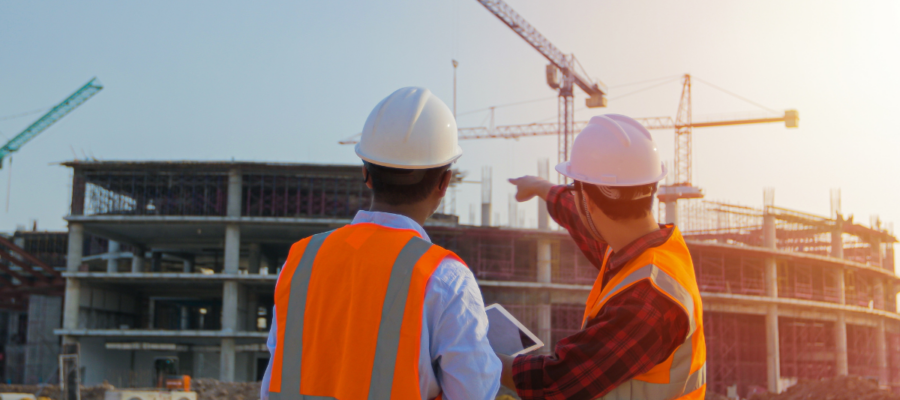
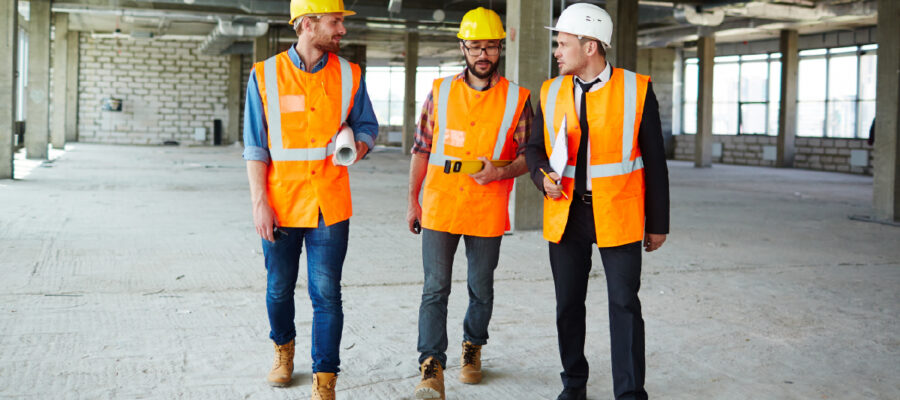
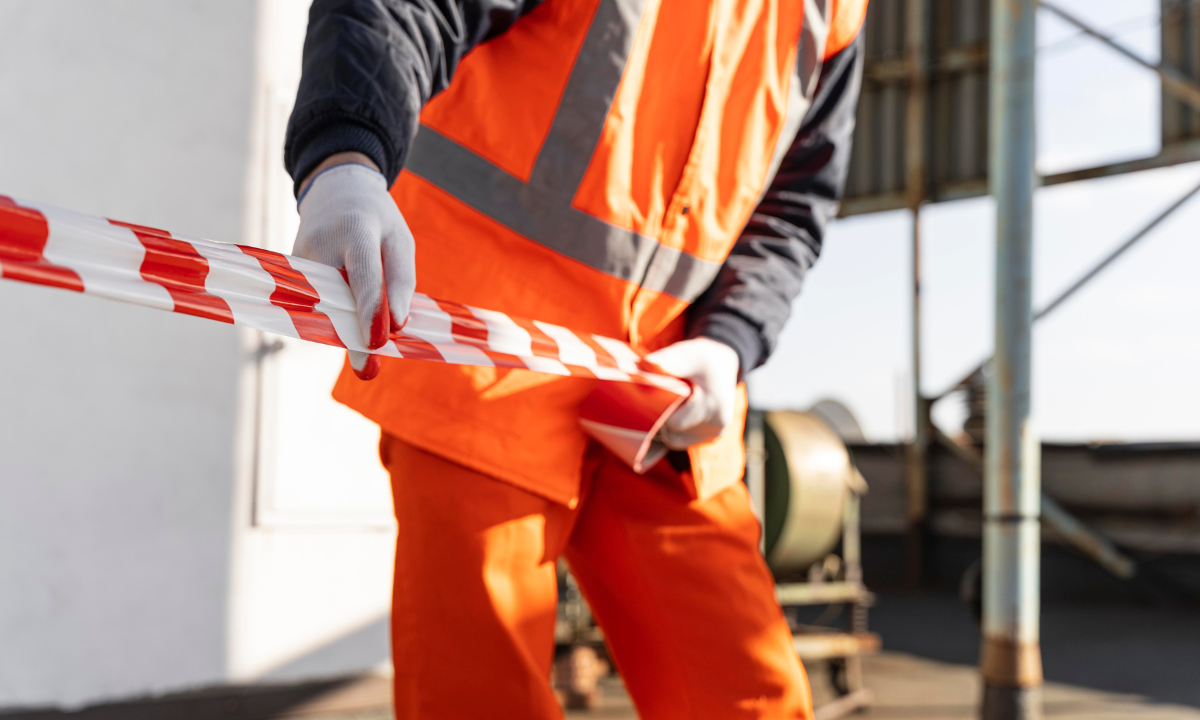
The construction sector is one of the most exposed to occupational risks. Construction sites present common dangers, ranging from falls at height to accidents caused by heavy equipment. Understanding these hazards and implementing preventive measures is essential to ensure the safety of workers. Here is an overview of the most common risks and solutions to avoid them.
1. The falls
Danger: Falls remain the main cause of serious or even fatal accidents on construction sites. They frequently occur when working on scaffolding, roofs or platforms that are not properly secured. These situations can lead to serious consequences, not only for the victim, but also for the entire work team. That is why it is crucial to anticipate these risks with appropriate preventive strategies.
How to avoid them:
* Install railings on working at height areas.
* Use personal protective equipment (PPE) such as safety harnesses.
* Perform regular scaffolding checks to ensure stability.
* Train workers in the safe use of equipment.
2. Accidents related to heavy equipment
The danger: Accidents involving heavy equipment represent a major risk on construction sites. Collisions, spills or breakdowns of machinery such as cranes, power shovels or trucks can lead to dangerous situations. Improper handling or technical failure can not only put the operators’ lives at risk, but also disrupt the project’s progress.
How to avoid them:
* Train operators to handle gear.
* Delineate clear access areas to avoid the presence of pedestrians.
* Maintain regular maintenance of equipment to prevent breakdowns.
* Install audible and visual signaling systems on machines
3. Exposure to harmful substances
The danger: Exposure to harmful substances constitutes a silent but dangerous risk on construction sites. Workers may be exposed to toxic chemicals, dust or fumes which in the long term can cause respiratory diseases or serious skin conditions. These substances are often present in the materials used or released by certain work processes.
How to avoid them:
* Wear masks and gloves adapted to the substances handled.
* Use ventilation or suction systems to limit fumes.
* Store hazardous products in secure spaces.
* Train teams to correctly identify and handle these substances.
4. Collapses and terrain related hazards
Danger: Trenches, excavations and unstable soils represent major risks on construction sites, as their collapse can occur suddenly and trap workers under debris. These incidents are often caused by poor assessment of soil conditions, insufficient drainage or lack of adequate supports. In addition to severe physical injuries, collapses can lead to significant delays in work, increasing project costs. To avoid such accidents, rigorous preparation and appropriate prevention measures are essential.
How to avoid them:
* Perform a prior geotechnical assessment of the land.
* Install temporary shoring or supports.
* Train teams in good excavation practices.
* Respect the minimum safety distances around trenches.
5. Electric shocks
Danger: Electrical shocks remain a constant threat on construction sites, particularly due to overhead power lines or defective equipment. These situations can be fatal if they are not properly identified or if protective measures are not applied. An electric shock can lead to serious injury or death in just a few seconds.
How to avoid them:
* Clearly identify and signal electrical hazard areas.
* Cut off electricity during interventions on the circuits.
* Provide insulating PPE and specific tools for working on electrical installations.
* Collaborate with skilled electricians for complex jobs.
6. Fatigue and musculoskeletal disorders
Danger: Fatigue and musculoskeletal disorders are major risks on construction sites. Long working hours, the repetitive wearing of heavy loads or maintaining poor posture can lead to physical injuries or reduce the vigilance of workers. The combination of these factors significantly increases the risk of accidents and errors.
How to avoid them:
* Organize rotations to reduce fatigue.
* Use ergonomic tools and lifting equipment.
* Encourage regular breaks and stretches.
* Train workers to adopt good postures.
Conclusion
Accident prevention on construction sites relies on a combination of training, adapted equipment and organisational measures. By identifying common hazards and adopting best practices, it is possible to significantly reduce risks and ensure a safe working environment. At Alchary, we are committed to providing reliable and standards-compliant solutions to support the safety of your projects.
Related Posts