
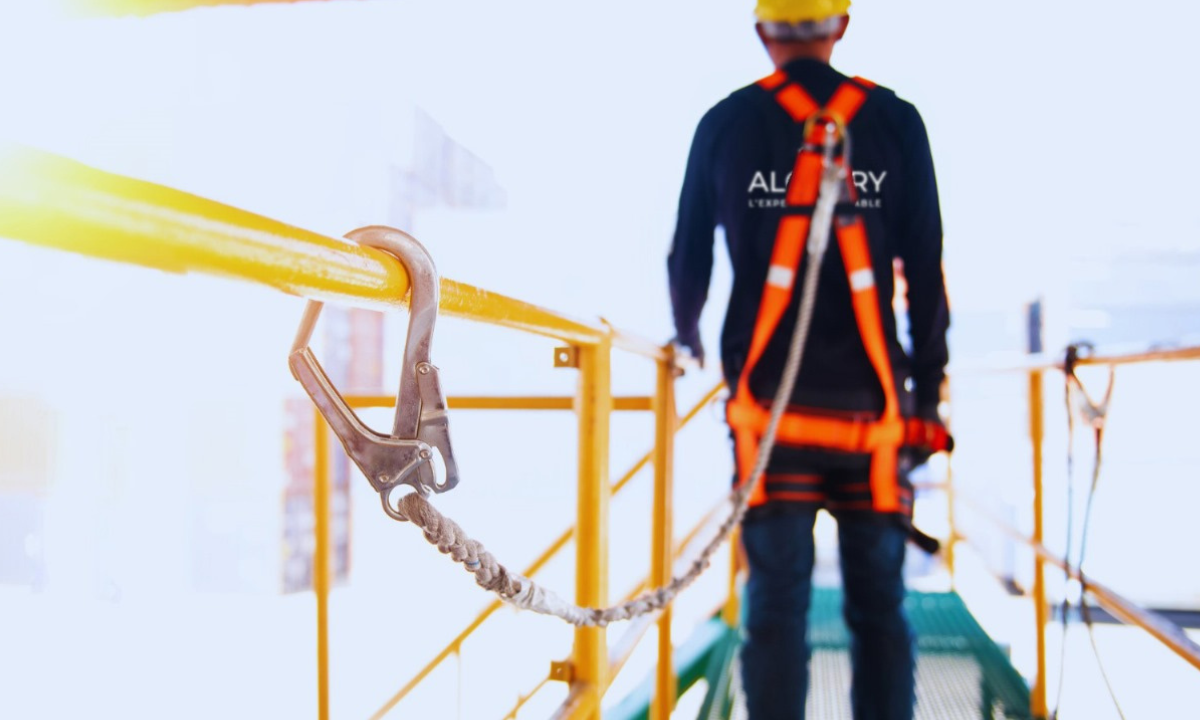
Work on scaffolding is reserved for skilled and trained professionals, as it carries potential risks, notably falls. It is essential to comply with strict safety standards to ensure the protection of workers. Here is an overview of the people allowed to work on scaffolding and associated requirements:
1. Skilled and trained workers
Only workers with specific training can mount, dismount or use scaffolding. These courses cover assembly techniques, maintenance and safety rules. In France, they are often dispensed by approved bodies. The certification obtained after this training is essential before starting to work on a construction site.
Modules typically include:
* The instructions to follow to prevent falls.
* Best practices for handling materials at height.
* The verification of the conformity of structures before their use.
Thanks to this preparation, workers are able to minimize risks and ensure their own safety as well as that of their colleagues.
2. Construction workers (Building and Public Works)
Construction and public works workers (masons, painters, roofers, carpenters or electricians) frequently use scaffolding to access elevated areas. They must be trained in safety practices suitable for fixed, rolling or suspended scaffolding. These professionals handle various equipment at height, which requires great vigilance. For example:
* Masons can work on scaffolding to lay bricks or repair walls.
* Roofers use them to access roofs and lay roofing materials.
3. Site managers and safety managers
Site managers play a key role in managing work and on-site safety. They supervise all activities related to scaffolding, including assembly, use, and dismantling. Their main objective is to ensure compliance with safety standards.
Their role also includes:
* The verification of personal protective equipment (PPE) used by workers.
* The risk assessment related to weather conditions or soil stability.
* The organization of regular security briefings with teams.
By anticipating hazards, these perpetrators significantly reduce scaffold-related accidents.
4. Safety inspectors
Safety inspectors check the compliance of scaffolding before and during use. These professionals, whether internal or external to the company, carry out rigorous controls to ensure that the structures comply with the standards in force. Their job is to:
* Inspect scaffolding after each assembly or modification.
* Identify signs of material wear or degradation.
* Propose quick solutions in case a problem is detected.
Their expertise is essential for maintaining a secure work environment.
5. People with specific training
Some types of scaffolding, such as hanging models or lifting platforms, require specific skills. Specialized training allows to acquire these skills to work safely with this equipment. For example:
* A worker using an elevating platform must know how to handle the controls and react in case of emergency.
* Technicians working on suspended scaffolding need to know the techniques to stabilize these structures in extreme conditions.
These trainings ensure efficient and safe use, even for the most complex equipment.
Conclusion
In summary, anyone working on a scaffold must be qualified, trained and physically healthy. It is essential to follow adequate training and comply with safety rules to avoid accidents. Compliance with standards is essential to ensure a safe working environment, both for workers and for those present on the construction site.
Related Posts