
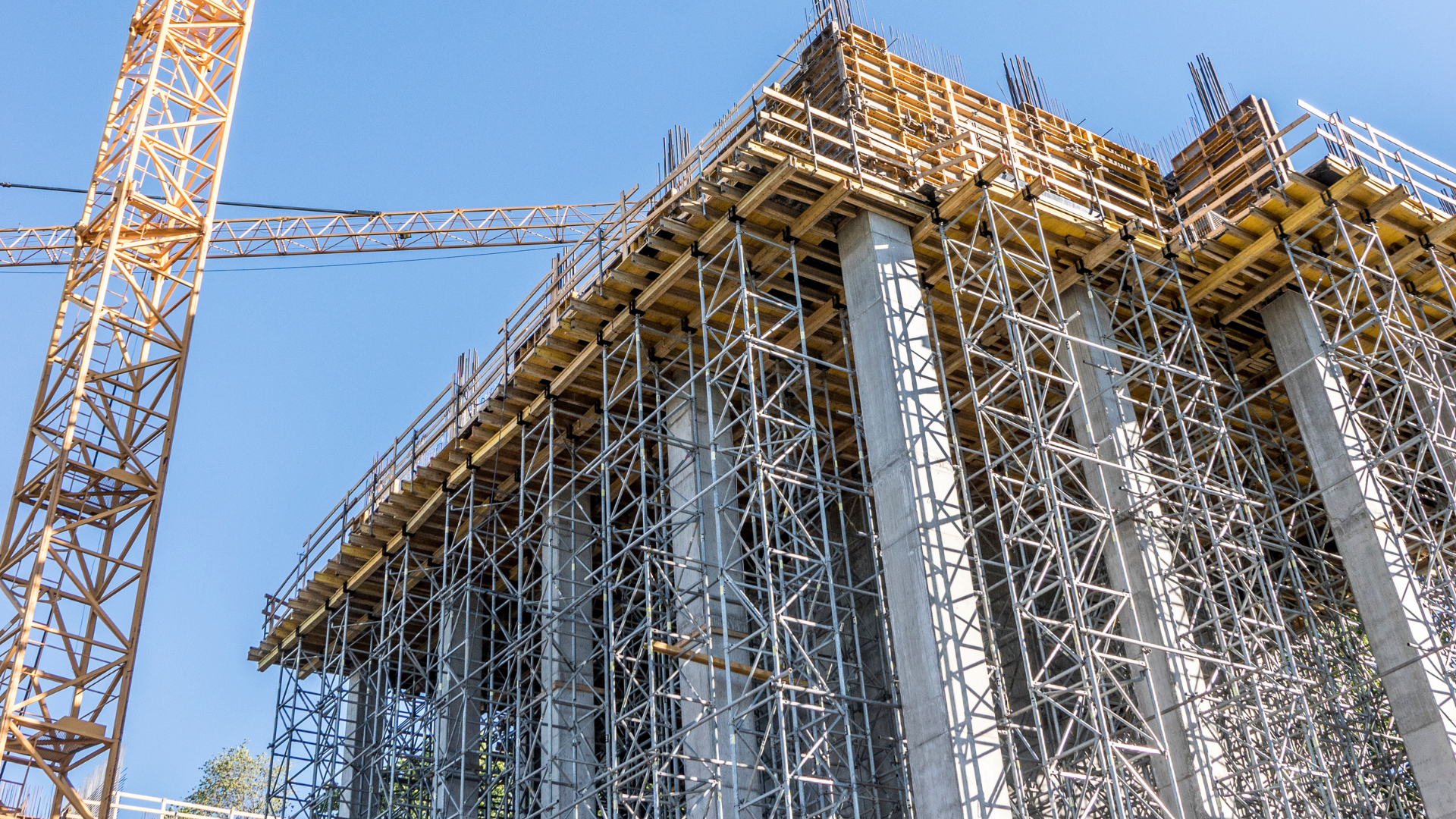
Simple supports play a central role in the stability of temporary structures on construction sites. Although their design may seem simple, their misuse can lead to serious, sometimes fatal accidents. This blog guides you through the best practices to follow to use the supports safely, while respecting the standards required on construction sites. We will also include SEO recommendations, such as the active use of transition words and concise paragraphs and sentences.
1. Choosing the right ones was simple according to the load and height
Choose the appropriate equipment to ensure safe use of simple supports. Depending on the load to be supported and the necessary height, it is essential to select supports capable of resisting pressure. Use steel struts for their strength and prefer brands recognized for the quality of their products. This ensures optimal performance while minimizing the risk of collapse.
Manufacturers usually provide clear indications about the load capacity of each strut. It is crucial to comply with these specifications and never overload the supports. For example, on construction sites with heavy structures such as concrete floors, additional supports may be needed to distribute the weight equally. This allows to prevent any risk of subsidence.
2. Check the state of simple supports before each use
Inspect the struts thoroughly before each use. One was in bad condition is a danger for the whole team. Signs of wear, such as cracks, rust, or deformities should alert immediately. Similarly, moving parts, such as nuts and screws, must function properly to ensure good stability.
Why is this step crucial? Because it ensures that all the used stays are in good operating condition, and therefore ready to support the necessary loads. A simple visual check before installation can avoid disasters.
3. Install the simple supports on a stable surface
The surface on which you install the étais is just as important as the equipment itself. Install the struts on a flat and solid surface to ensure their stability. On soft surfaces like earth, it is recommended to use backing plates under the struts. This prevents the equipment from sinking under the weight of the structure it supports.
In addition to this, be sure to adjust the height of the stays correctly before you start working. A poorly adjusted height can lead to an imbalance in the structure.
4. Use a good number of étais
To avoid overloading a was, it is essential to use the correct number of units. On large-scale projects, the load must be evenly distributed among several supports. For example, if you support a concrete floor, each strut must bear an equal part of the total load. This calculation is essential to maintain the stability of the temporary structure.
Tip: Use devices like bubble levels or lasers to install the struts at a uniform height, greatly improving safety.
5. Respect the load capacity
Each strut model has a specific maximum load capacity. Failure to meet this limit can result in a sudden collapse. It is therefore imperative to respect the load capacity indicated by the manufacturer. For added security, you can even opt for struts with an additional safety margin, especially when the loads are high.
6. Ensure stability with additional safety features
Props can sometimes move or slip during work, especially on sloping or unstable surfaces. Adding anti-slip devices or additional reinforcements can prevent these movements. Additionally, if struts are used outdoors, the use of additional anchors to prevent wind-induced movement is a recommended practice.
7. Train teams on best practices
All team members must be trained in the correct use of the étais. This includes how to install, adjust and inspect them. A well-trained team is essential to ensure the safety of the construction site. Training should also include instructions on how to react in case of a problem, such as failure of a strut or collapse of the structure.
8. Keep the supports in good condition
Clean the stays after each use and store them in a dry place to prevent corrosion. Also regularly lubricate the moving parts, such as screws and nuts, to facilitate their future use. Regular maintenance extends the lifespan of the struts and reduces the risk of accidents due to mechanical defects.
9. Carefully dismantle the struts
When the temporary structure is no longer needed, the stays must be carefully disassembled. Rapid or imprudent dismantling can cause unexpected collapses. Always start by gradually releasing the load by lowering the stays, then remove them one by one. Also, make sure the area around the struts is clear to avoid injuries.
10. Avoid common errors
A common mistake on job sites is to reuse damaged struts. To ensure the safety of your team, always replace defective equipment with new equipment. Another mistake is to incorrectly adjust the height of the struts, which can lead to imbalances in the structure.
Conclusion
Simple props are essential equipment for any construction site. By following these best practices, you ensure not only the safety of your teams, but also the stability of the structures you build. To ensure optimal use of the supports, make sure to choose quality models, inspect them regularly, and train your teams. Every step counts to avoid accidents
