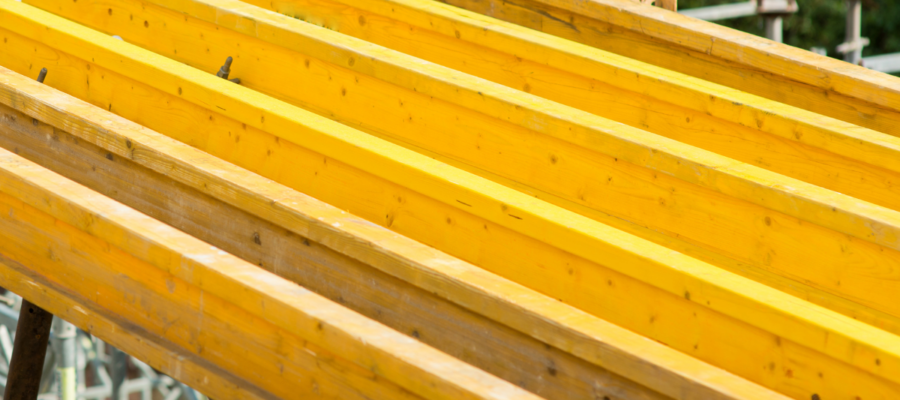
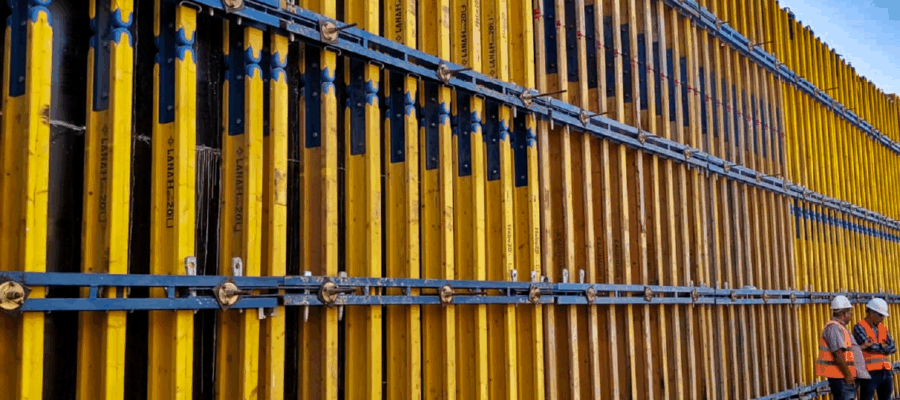

Durable formwork has become essential in modern construction. By reducing waste and environmental impact, it offers an eco-responsible solution. Used to contain concrete until it hardens, it plays a key role in the strength of structures. In addition, the durable formwork uses reusable materials that minimize repetitive purchases of new materials. This reduces not only long-term costs, but also the consumption of natural resources. As a result, this system contributes to the preservation of the environment while ensuring optimal performance.
What is Durable Formwork?
Sustainable formwork relies on the use of materials designed to last. For example, recycled metal or plastic formwork is made to be reused multiple times. This sustainability limits the production of waste, which is a major source of pollution in the construction industry. In addition, by using recycled materials, sustainable formwork reduces the demand for virgin resources, thus contributing to a more responsible management of raw materials. Thus, each project using these systems contributes to a healthier environment.
The Benefits of Durable Formwork
1. Carbon footprint reduction
The use of durable formwork allows for a significant reduction in carbon footprint. Each cycle of formwork reuse reduces the need to produce new materials. This process also limits CO2 emissions associated with the manufacturing and transport of materials. In addition, sustainable materials, such as recycled metal or plastic, often have a lower environmental footprint than those used in conventional formwork systems. This approach is beneficial for both the company and the planet.
What is Durable Formwork?
Sustainable formwork relies on the use of materials designed to last. For example, recycled metal or plastic formwork is made to be reused multiple times. This sustainability limits the production of waste, which is a major source of pollution in the construction industry. In addition, by using recycled materials, sustainable formwork reduces the demand for virgin resources, thus contributing to a more responsible management of raw materials. Thus, each project using these systems contributes to a healthier environment.
The Benefits of Durable Formwork
1. Carbon footprint reduction
The use of durable formwork allows for a significant reduction in carbon footprint. Each cycle of formwork reuse reduces the need to produce new materials. This process also limits CO2 emissions associated with the manufacturing and transport of materials. In addition, sustainable materials, such as recycled metal or plastic, often have a lower environmental footprint than those used in conventional formwork systems. This approach is beneficial for both the company and the planet.
Materials Used for Durable Formwork
1. Recycled and durable wood:
Wood is a commonly used material for formwork. When it comes from sustainable and recycled sources, it becomes an environmentally friendly option. For example, FSC-certified wood comes from responsibly managed forests. By reusing wood, we limit the exploitation of natural resources. This process reduces the environmental impact while offering a reliable and sustainable product. In addition, wood can be reused multiple times, making it a very advantageous resource for long-term projects.
2. Metal (steel and aluminum):
Steel and aluminum are popular materials for durable formwork. The steel is particularly robust and resistant to extreme conditions. It also offers excellent durability, making it ideal for frequent reuse. The aluminum, lighter, also remains very resistant and easy to handle. Both materials are easily recyclable, making it an eco-friendly choice. At the end of their life cycle, these metals can be melted to make new products. This contributes to waste reduction and the circular economy.
3. Recycled plastic:
Recycled plastic can withstand harsh job site conditions without degrading. At the end of its lifetime, it is fully recyclable, reducing its environmental impact. The use of recycled plastic minimizes waste while ensuring the performance of formwork over the long term.
4. Composite materials (glass fibers, carbon fibers):
Composite materials, such as glass and carbon fibers, are very strong and lightweight. Although their cost is higher, these materials have many advantages. They withstand extreme conditions and require little maintenance. Due to their robustness, they have a longer lifespan. This allows them to be used on several projects, thus offering a profitable solution in the long term. They are also very light, which facilitates their handling on sites while offering optimal performance.
Construction Methods and Sustainable Formwork Practices
1. Formwork design optimization:
A well thought-out formwork design allows for the optimal use of materials. By planning from the beginning of the project, you reduce waste. This also allows for more efficient reuse of formworks. Involve architects and engineers from the design phase for optimal formwork. This approach ensures that the formwork will meet the requirements of the construction site while minimizing the ecological footprint.
2. Material reuse and recycling:
Reuse formwork as much as possible to extend its life. After each use, inspect the formworks and carry out the necessary repairs. This reuse reduces the demand for new materials and limits the production of waste. If the formworks are no longer usable, some materials can be recycled. This process significantly reduces the environmental impact of the construction site and supports a circular economy.
3. Efficient waste management:
Waste management is crucial for limiting the environmental impact of a construction site. Implement a rigorous sorting system to separate recyclable materials. Use sustainable and reusable materials to reduce the amount of waste generated. Also encourage teams to recycle unused or damaged materials. Effective waste management contributes to the sustainability of construction projects while respecting environmental standards.
How to Integrate Durable Formwork into a Project?
Integrating durable formwork from the start of the project is essential. Choose materials adapted to the requirements of the construction site while reducing the ecological impact. Collaborate with engineers and architects to find the best solutions for each project. Plan the use and management of materials taking into account their reuse. Also train the teams on the importance of recycling and maintaining sustainable formwork. Raise awareness of the positive impact of these practices on the environment and the profitability of the project.
Related Posts